

Nestled across mountains, deserts, forests, and coastlines are towns that feel to be in a world of their own. These places move at a slow pace, far from traffic jams, crowded sidewalks, and constant noise. They welcome visitors with quiet streets, wide open skies, and the gift of true solitude.
In these secluded towns, neighbors wave to one another, nights are filled with stars, and nature is never far away. Life feels simpler, even when challenges exist.
This article explores some of the most remote and peaceful towns in the United States and the stories that make them special.
Where Mountains Guard a Hidden Community
High in the rugged peaks of Colorado sits the small town of Telluride, surrounded on nearly every side by towering cliffs and alpine forests.
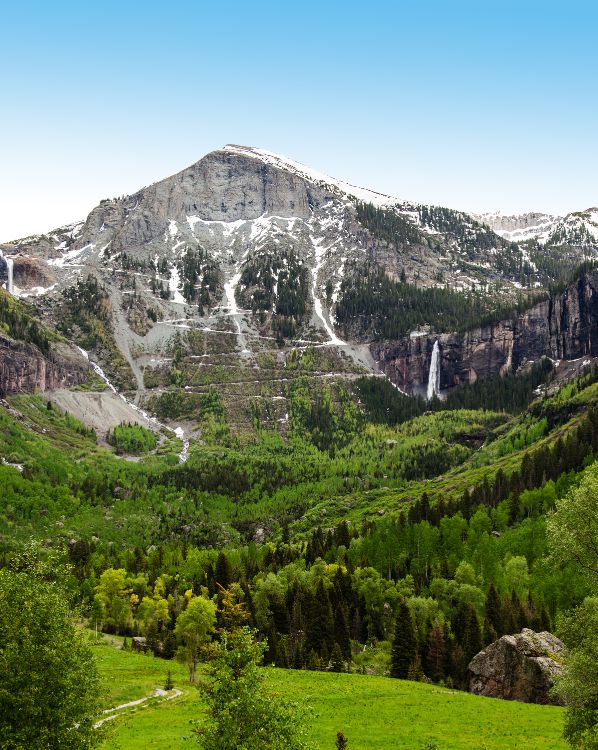
Reaching it feels like entering a valley carefully hidden by nature. The road winds through steep passes and dense woods before suddenly opening to reveal colorful historic buildings along a narrow street. Mountains rise from the edge of town, creating a natural wall that separates the community from the outside world.
In winter, snow blankets Telluride’s rooftops and softens every sound. The air feels crisp and clean, and nights glow under starlight reflected off white peaks. In summer, waterfalls pour down rocky faces, and wildflowers spread across meadows. Each season brings its own quiet beauty, reminding residents how closely their lives are tied to the land.
Telluride began as a mining town during the late nineteenth century. Miners once filled its streets, chasing dreams of silver and wealth. When the mines closed, many towns like it disappeared. The town survived by adapting, and slowly, it grew into a small resort town while keeping much of its original charm.
Even today, life here feels quieter than in most places. People walk rather than rush, neighbors greet each other by name, and shop owners remember their customers. Children grow up in nature, exploring creeks, trails, and hidden corners of the mountains.
Living in such a secluded place is not always easy. Heavy snow can close roads, supplies may take longer to arrive, and medical care may be farther away. Still, many residents accept these challenges as part of the bargain.
For residents of Telluride, the mountains are not obstacles. They are guardians. They provide beauty, privacy, and a sense of belonging that is hard to find anywhere else.
Life at the End of the Road
At the very edge of Alaska’s road system lies the small coastal town of Homer, often called the End of the Road.

The highway that leads there stretches for hundreds of miles through forests, rivers, and wild landscapes. When it finally stops, Homer begins. Beyond it lies only ocean, mountains, and vast stretches of untamed land. This physical ending shapes the mindset of everyone who lives there.
Homer sits on a narrow strip of land reaching into Kachemak Bay. Fishing boats crowd the harbor, bald eagles circle overhead, and snow-capped mountains rise across the water. The scenery feels unreal, as if it belongs in a painting rather than everyday life.
Because it is so far from major cities, life in Homer requires patience and planning. Groceries cost more, deliveries take longer, and weather can delay travel for days. Storms can shut down ferry routes and flights without warning.
Yet, people stay. They stay because of the freedom Homer affords.
Residents learn to rely on themselves and on each other. Many people fish, hunt, garden, and preserve food. Neighbors share tools, advice, and extra supplies. Community events are well-attended because everyone knows how important connection is in a remote place.
The pace of life is slower but also more intentional. People pay attention to tides, seasons, and weather patterns. They plan their days around nature instead of fighting it. Even simple routines, such as checking fishing nets or walking along the beach, become meaningful rituals.
For many, Homer represents a kind of edge-of-the-world living. It is not about escaping society completely; it is about finding a place where space, silence, and self-reliance matter.
At the end of the road, people discover a new beginning.
Desert Silence and Small Town Strength
In the wide-open desert of West Texas sits the tiny town of Marfa, surrounded by miles of dry grass, distant mountains, and endless sky. At first glance, it can feel almost empty. Highways stretch long and straight, and the horizon seems to go on forever. The silence is so deep that visitors often notice it before anything else.

There is no constant traffic, no crowded sidewalks, and no rush of people moving from place to place. Instead, there is space to think, to breathe, and to slow down.
Marfa began as a railroad and military town in the late nineteenth century. Over time, as industries faded, the population shrank. Many places in similar situations disappeared completely. Marfa did not. It survived by holding on to its identity and by welcoming creativity. Artists, writers, and photographers slowly found their way here, drawn by the desert light and peaceful atmosphere. Old buildings became studios, galleries, and small shops. The town reinvented itself without losing its roots.
Life in Marfa still requires resilience. Summers are extremely hot and winters can be cold and windy. Stores are limited, and major cities are hours away. To prepare, residents plan carefully and support one another. When someone needs help, others notice. When events are held, the whole town shows up. This shared responsibility builds quiet strength.
Despite its small size, Marfa is rich in character. Sunsets turn the sky orange and purple. Stars fill the night without competition from city lights. People sit on porches and talk. They walk slowly down Main Street, taking pride in knowing where they live and why they chose it.
In the heart of the desert, Marfa proves that strength does not always come from size. It comes from patience, creativity, and the courage to stay when others leave.
Island Living Far from the Mainland Rush
Far off the coast of Washington State lies the small island community of Friday Harbor, tucked away on San Juan Island. Surrounded by cold blue water and distant shorelines, it feels separated from the fast pace of mainland life.

To reach it, most visitors must take a ferry or small plane. This journey alone reminds people that they are entering a different world, one where time moves more gently, and nature plays the leading role.
Friday Harbor is shaped by the sea. Fishing boats line the docks, seagulls fly overhead, and orcas appear in nearby waters. The rhythm of daily life follows tides, weather, and ferry schedules. When storms roll in, travel may stop. When fog settles, flights are delayed. People learn to accept these interruptions as part of island living.
Because of its isolation, the town depends heavily on cooperation. Supplies arrive by boat. Medical care and major shopping require careful planning. Neighbors look out for one another, especially during harsh winters or long stretches of bad weather. Community gatherings, farmers’ markets, and local festivals are more than entertainment. They are ways of staying connected.
Life here encourages mindfulness. People notice the changing light on the water. They listen to the waves against the rocks. They watch seals rest on floating docks. Simple moments become meaningful because there is less noise to distract from them. Many residents say the island teaches patience and appreciation.
Living far from the mainland rush is not about escaping responsibility. It is about choosing a quieter version. In Friday Harbor, people work hard, care deeply, and live closely with nature. The island does not isolate them from life. It brings them closer to what matters most.
When Wilderness Becomes Your Closest Neighbor
In the far reaches of northern Montana lies the small town of Polebridge, tucked against the edge of vast forests and rugged mountains.

There are no traffic lights, shopping centers, or crowded neighborhoods. Instead, there are dirt roads, wooden cabins, and wide stretches of untouched land. The wilderness begins at the edge of most doorsteps and often feels like a silent companion to daily life.
Polebridge sits near one of the largest protected natural areas in the country. Wildlife moves freely through the region: deer cross roads without warning, bears wander near homes, and wolves howl at night. Living here means learning to respect nature rather than trying to control it.
Most residents rely on generators or solar panels for electricity. Internet service is limited and cell phone signals can disappear without notice. These challenges force people to become more self-sufficient and creative in solving everyday problems.
Trips to the grocery store require careful planning, and medical care is hours away. Winters can be long, dark, and isolating. Snowstorms may cut off access to the outside world for days at a time. During these moments, neighbors become lifelines rather than casual acquaintances.
Despite the difficulties, many choose to stay. They value the quiet and the freedom. They value waking up to birdsong instead of alarms and falling asleep under starry skies.
Daily routines revolve around the natural world. People check weather patterns before making plans. They gather firewood before winter. They grow gardens when the seasons allow. Life becomes a partnership with the land.
Children grow up learning survival skills alongside school lessons. Adults develop patience and resilience. Everyone learns that comfort is something you build, not something that arrives ready-made.
In Polebridge, wilderness is not a backdrop. It is a teacher. It shapes character, builds confidence, and reminds residents every day that they are part of something much larger than themselves.
Final Thoughts
Across mountains, deserts, coastlines, and forests, secluded towns offer a different vision of American life. They are not defined by convenience or speed. They are shaped by patience, cooperation, and deep connections to place.
Living in isolation is not easy. It requires planning, flexibility, and emotional strength. Roads close, supplies run low, and weather changes plans. Yet, people who choose these towns often find that the rewards outweigh the hardships.
In quiet streets and open landscapes, many discover clarity, purpose, and peace. These hidden communities remind us that sometimes the best way to move forward is to slow down, listen, and learn from the spaces where life still unfolds gently.