
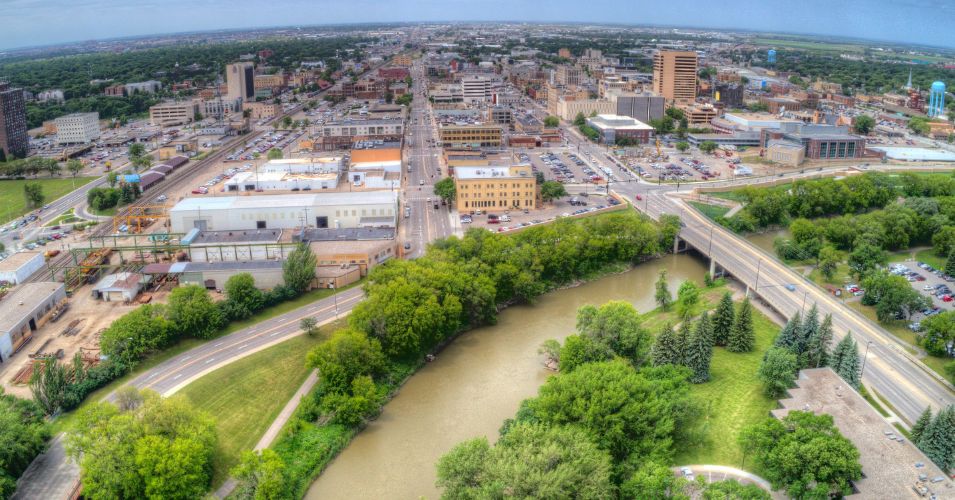
North Dakota often seems like a peaceful place to retire. The state offers small towns, wide landscapes, and a slower way of life that can sound perfect after decades of hard work.
Many retirees are drawn to the lower population, quiet neighborhoods, and strong sense of community found across the state. At first glance, it feels like a calm and affordable place to settle down.
But retirement in North Dakota comes with challenges that are easy to overlook. Brutal winters, limited access to healthcare, shrinking towns, and long travel distances can quickly affect the daily lives of older adults.
Choosing the wrong place to retire can lead to isolation, stress, and unexpected expenses. That is why it is important to look at the bigger picture before making a move.
Harsh Winters Can Make Daily Life Difficult
North Dakota winters are not just cold; they can completely change the way retirees live day to day. Snowstorms, icy roads, and freezing temperatures often last for months, making even simple errands stressful. For older adults, these conditions can quickly become dangerous.
Some retirees enjoy snowy scenery at first. The excitement fades when sidewalks turn slippery, and temperatures drop far below zero for days at a time. Long winters can also create feelings of loneliness, especially for seniors who already spend much of their time indoors.
Minot is one of the toughest places in the state during winter. Heavy snowfall and brutal wind chills regularly make travel difficult. Retirees who need frequent doctor visits or grocery trips may struggle during storms that cover roads with ice and snow. Cabin fever also becomes a real issue since outdoor activities are limited for much of the year.

Devils Lake faces similar problems. While the town offers beautiful scenery during warmer months, winters can feel endless. Snowdrifts often pile up around homes and parking lots, creating added physical strain for older residents. Heating bills can also climb sharply during long stretches of freezing weather, putting pressure on retirees living on fixed incomes.
Williston presents another challenge because of its strong winds and isolated location. Winter storms can make highways dangerous, and some retirees may feel cut off from larger cities for days at a time. The town’s oil industry traffic can also make icy roads more stressful to navigate, especially for seniors uncomfortable driving in rough conditions.
Cold weather affects more than comfort. It impacts mobility, mental health, and overall quality of life. Retirees who prefer mild climates or easy travel may find North Dakota winters far more exhausting than expected.
A peaceful retirement becomes harder to enjoy when daily life revolves around preparing for snow, ice, and freezing temperatures.
Healthcare Access Is Limited in Many Communities
Good healthcare becomes more important with age, but many North Dakota towns struggle to provide easy access to medical services.
Retirees living in smaller communities often face long drives, limited specialist options, and fewer healthcare facilities than they expected.

This can become a serious problem during emergencies or ongoing health treatments. Seniors may need to travel for hours to reach appointments that people in larger states could reach in minutes. Winter weather only makes those trips more difficult and riskier.
Belcourt is one town where access to healthcare remains a major concern. Residents often have limited options for specialized medical care, forcing many retirees to travel outside the area for treatment. Long wait times and staffing shortages can also create frustration for seniors who need consistent care and support.
Rugby may market itself as the geographic center of North America, but its remote location creates challenges for older adults. While basic medical services are available, retirees needing advanced procedures or specialist visits usually must leave town. That extra travel can become exhausting for seniors managing chronic conditions.
Hettinger faces similar issues due to its small population and rural setting. Retirees who move there for peace and quiet may later realize that healthcare convenience is limited. Access to large hospitals, rehabilitation centers, and specialty clinics often requires significant travel time. For aging adults, that distance can create anxiety and practical difficulties.
Another issue is the shortage of healthcare workers in rural parts of the state. Smaller towns sometimes struggle to attract enough doctors and nurses, which can lead to fewer appointments and reduced services. Retirees may feel uneasy knowing that medical help is not always nearby.
Healthcare access might not seem like a major factor at first, especially for healthy retirees. Over time, though, medical needs usually increase. Living far from reliable care can make retirement stressful rather than relaxing.
Entertainment and Social Life Often Feel Sparse
Retirement should feel exciting and rewarding, but many North Dakota towns do not offer enough activities to keep older adults engaged year-round. Outside the state’s larger cities, entertainment options can feel limited, especially during winter, when cold weather keeps many people indoors for long stretches.
Some retirees move to quiet communities hoping for relaxation. Over time, though, that quiet atmosphere can start to feel repetitive. A lack of concerts, restaurants, shopping centers, and community events may leave seniors searching for ways to stay active and connected.
Jamestown often feels too slow-paced for retirees who enjoy regular entertainment and social gatherings. The town has local charm and a welcoming community, but activities can become predictable after a while.

Older adults seeking museums, nightlife, or diverse dining options may be disappointed by the limited selection. During winter, social opportunities shrink even more as freezing temperatures keep many residents at home.
Wahpeton faces similar concerns. While the town provides a comfortable small-town setting, retirees who enjoy busy schedules may struggle to find enough variety. There are fewer cultural attractions and entertainment venues compared to larger retirement destinations.
Seniors who want theater performances, major shopping centers, or frequent community events often need to travel elsewhere. The quieter lifestyle appeals to some people, but others may begin to feel isolated after several years.
Social interaction becomes increasingly important during retirement. Staying connected helps support emotional well-being and gives retirees a stronger sense of purpose. In towns where activities are limited, it can become harder to maintain an active social life.
North Dakota’s peaceful atmosphere is attractive in many ways, but retirees who thrive on excitement, variety, and regular social engagement may find some communities far too quiet for long-term happiness.
Long Distances Create Challenges for Seniors
North Dakota’s open landscape may look beautiful, but the long distances between towns can create major challenges for retirees. Many seniors are surprised by how much driving is required for everyday tasks like medical appointments, shopping trips, or visiting family members.
As people grow older, spending hours behind the wheel becomes less appealing. Bad weather, icy highways, and isolated roads can make travel feel stressful, especially during the winter months. Seniors who eventually stop driving may face even greater difficulties because public transportation is limited in many areas.
Dickinson is one town where retirees often feel the burden of distance. While it offers basic services and amenities, many specialized healthcare providers and major shopping options are located farther away.
Retirees may need to drive long stretches of highway for medical treatments, entertainment, or access to airports. Winter storms can make those trips dangerous and exhausting.
Bottineau also presents challenges because of its remote northern location. The town is surrounded by scenic beauty, but retirees may feel cut off from larger cities and services.
Visiting specialists, attending social events, or seeing family members often involves long travel times. For older adults, those repeated drives can become tiring both physically and mentally.

Another concern is the lack of convenient transportation alternatives. Seniors who no longer feel comfortable driving may have to rely on neighbors or relatives for help getting around. That loss of independence can become frustrating over time.
Living in a peaceful rural area sounds appealing at first, but isolation becomes more noticeable as retirees age. What begins as quiet country living can slowly turn into inconvenience and stress when every major errand requires a lengthy drive.
For retirees who value accessibility and convenience, North Dakota’s wide-open spaces may present more challenges than expected.
Rising Costs Are Changing Retirement Affordability
North Dakota has long been viewed as an affordable place to retire, but that reputation has started to shift in several communities. Housing prices, utility bills, property taxes, and everyday expenses have increased in many parts of the state, creating new financial pressure for retirees living on fixed incomes.
While some towns still offer lower home prices than major cities around the country, affordability is no longer guaranteed. Retirees who move expecting extremely low living costs may be surprised by how quickly expenses add up, especially during winter when heating bills rise sharply.
Williston stands out as one of the clearest examples. The oil industry helped drive rapid growth in the area, but it also pushed housing and living costs much higher than many retirees expect from North Dakota.
Rent, groceries, and home prices can feel expensive compared to other small towns in the state. Even though the boom years have slowed, the higher cost structure has remained in many parts of the community.
Bismarck also presents affordability concerns for retirees. As the state capital continues to grow, housing demand has increased steadily.
Property values and rent prices have climbed, making it harder for retirees to comfortably stretch their savings. While the city offers more healthcare and entertainment than smaller towns, those advantages often come with a higher monthly budget.
Fargo has become another expensive option for many older adults. The city attracts younger workers, students, and businesses, which has helped fuel development and rising housing costs.

Retirees may appreciate the larger selection of restaurants, shopping, and medical services, but everyday expenses tend to be noticeably higher than in more rural areas. Utility costs during North Dakota winters can place additional strain on retirement budgets.
Another challenge is inflation affecting groceries, transportation, and healthcare expenses across the state. Retirees living on Social Security or limited savings may find it difficult to adjust as prices continue to climb year after year.
North Dakota offers value in certain communities, but retirement affordability is becoming less predictable. Seniors who move without carefully researching long-term expenses could end up facing financial stress during years that should feel comfortable and secure.
Final Thoughts
North Dakota can offer peace, natural beauty, and a slower pace of life, but retirement there is not the right fit for everyone.
Harsh winters, limited access to healthcare, quiet social scenes, long travel distances, and rising costs all pose challenges that retirees should consider carefully before making a move. Some towns may appear affordable and relaxing at first glance. Over time, though, isolation and limited services can make daily life much harder than expected.
The right retirement location should provide comfort, accessibility, and peace of mind. For many seniors, some parts of North Dakota may fall short in those important areas.