
Italy is one of the world’s most rewarding travel destinations, but it is not always as easy to explore as the guidebooks make it seem. Charming hill towns, ancient streets, and breathtaking coastlines often come with steep climbs, uneven paths, and long days on your feet.
While many seniors happily visit these places, some destinations demand more energy and mobility than others. Knowing what to expect before you go makes all the difference.
This guide looks at some of Italy’s more physically challenging destinations for older travelers, helping you plan a trip that is comfortable, enjoyable, and full of unforgettable experiences.
Why Venice Can Be More Exhausting Than Expected
Venice is one of those places that seems almost magical in photos. The canals, historic buildings, and quiet corners create an atmosphere that feels completely different from anywhere else in Italy. Yet for many seniors, the reality of exploring the city is much more physically demanding than expected.
One reason is simple: Venice is a city where walking is unavoidable.

Unlike most destinations, you cannot rely on taxis or buses to move around the historic center. Whether you are heading to a museum, a restaurant, or your hotel, you will probably spend hours on your feet. Even visitors who normally enjoy walking can find the distance adds up surprisingly quickly over the course of a day.
The bridges make things even harder. Many have steep stone steps instead of gentle slopes, and there are hundreds scattered across the city. Climbing them once is easy enough. Repeating that climb dozens of times while carrying a backpack or shopping bag is a different story, especially for anyone with sore knees or stiff joints.
Venice also has a habit of sending visitors in circles. Its narrow lanes twist between buildings, and signs are not always easy to follow. Taking a wrong turn is part of the experience, but it often means walking much farther than planned before finding the right route again.
Then there are the crowds. Popular spots fill up quickly, especially during spring and summer. Moving through busy streets at a slow pace can become frustrating, and finding somewhere to sit for a quiet break is not always easy.
Even using the water buses requires some confidence. Floating platforms can shift as passengers board, and stepping on and off may feel uncomfortable for people who have balance concerns.
None of this means seniors should skip Venice altogether. It simply means the city is easier to enjoy with realistic expectations. Staying in a central location, planning only a few attractions each day, and leaving plenty of time for coffee breaks can make the experience far more enjoyable.
The Amalfi Coast Offers Stunning Views but Difficult Terrain
Few places in Italy look as spectacular as the Amalfi Coast. Colorful villages cling to cliffs, the sea stretches into the distance, and almost every viewpoint feels worthy of a postcard. It is easy to understand why so many travelers dream of visiting.

What photos rarely show is how much climbing is involved.
Many towns were built on hillsides long before anyone imagined modern tourism. Reaching a hotel, restaurant, or beach often means walking up flights of stone steps or tackling steep streets. A route that appears short on a map can leave visitors feeling out of breath by the time they arrive.
Getting from one town to another can also test your patience. The coastal road is famous for its sharp bends, heavy traffic, and crowded buses during the busiest months. Ferry services offer a more relaxing journey, but they still involve walking to and from the docks, which are not always close to the main attractions.
Warm weather adds another challenge. Summer temperatures can become intense, and there is not always much shade while walking through the villages. Even travelers who are comfortable in the heat may find they need more rest stops and plenty of water to stay comfortable throughout the day.
Some of the region’s most famous viewpoints are only reachable on foot. While the scenery is outstanding, many walking routes include uneven paths, long staircases, and steep sections that are better suited to confident hikers than visitors looking for a stroll.
Accommodation deserves careful attention as well. Many charming hotels occupy historic buildings, and that charm often comes with narrow staircases and no elevator. Carrying luggage upstairs after a long journey is not the welcome every traveler hopes for.
The Amalfi Coast is still a wonderful destination for many older visitors. The key is slowing the pace. Choosing one or two towns instead of trying to see everything, booking accommodation with easy access, and allowing time to relax can turn a demanding trip into a rewarding one.
Cinque Terre Challenges Even Experienced Travelers
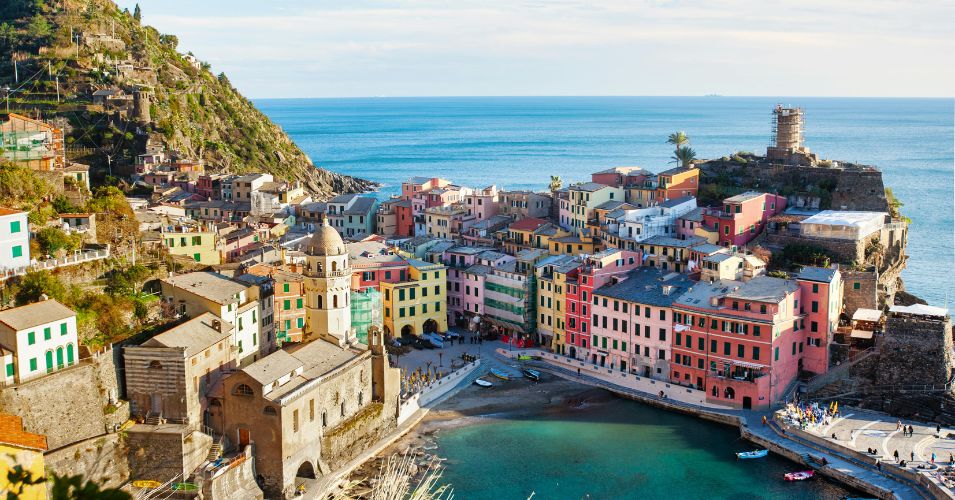
There is no question that Cinque Terre is one of Italy’s most beautiful coastal destinations. The five villages seem to tumble down the cliffs toward the sea, creating views that attract visitors from every corner of the world. It looks peaceful and relaxed, yet exploring the area can be surprisingly demanding, especially for older travelers.

The first thing many visitors notice is that almost everything involves climbing.
It does not matter whether you are heading to your hotel, looking for a café, or walking down to the waterfront. Stone steps seem to appear everywhere. Some are short, while others continue much longer than expected. After repeating those climbs several times in one day, even active travelers often begin to slow down.
Many people assume the trains remove most of the effort, but they only solve part of the journey. Once you arrive, there is still plenty of walking before you reach the places you want to see. Depending on the village, that walk may include steep streets or more staircases.
The famous coastal hiking trails deserve a careful look before setting off. They are known for incredible scenery, but they were never designed as easy walking paths. Loose stones, uneven ground, and narrow sections demand steady footing. Anyone hoping for a gentle stroll beside the sea may be in for a surprise.
The villages themselves can feel much busier than expected. During the middle of the day, narrow streets fill with visitors arriving by train or cruise excursions. Finding a quiet bench or a peaceful café sometimes takes more patience than expected.
Choosing where to stay also makes a real difference. Some accommodations sit high above the waterfront, rewarding guests with wonderful views at the end of a long climb. Those views can feel less rewarding after carrying luggage up several flights of stairs.
Cinque Terre is certainly not off limits for seniors. It simply suits travelers who are happy to slow the pace, enjoy one village at a time, and accept that seeing this spectacular coastline often comes with a fair amount of uphill walking.
Rome’s Historic Heart Can Be Tough on Older Visitors
Rome has a way of making every street feel important. One moment you are walking past a small neighborhood café, and the next you are standing in front of an ancient monument that has been there for centuries. It is an exciting city to explore, but it also asks quite a lot from visitors physically.

Many people underestimate just how much ground they will cover.
Rome’s biggest attractions are spread across the historic center, and while they may look close together on a map, the distances soon add up. By the end of the afternoon, it is not unusual for visitors to realize they have spent most of the day on their feet.
The surface under those feet can become part of the challenge. Cobblestone streets give Rome its timeless character, but they are uneven and sometimes slippery after rain. Walking carefully soon becomes more important than walking quickly, particularly for anyone with sore joints or balance concerns.
The crowds can be just as tiring as the walking itself. Around famous landmarks, visitors often move at a slow shuffle rather than a comfortable pace. A short journey across a busy square can take much longer than expected, especially during the busiest months of the year.
Heat is another factor that catches many people off guard. Summer afternoons can feel relentless, and long lines outside popular attractions offer very little protection from the sun. Energy disappears quickly when sightseeing and high temperatures are combined.
One of the easiest mistakes is trying to fit too much into a single day. Rome rewards a slower approach. Spending time in one neighborhood, enjoying a long lunch, and leaving room for regular breaks often creates a much better experience than racing from one landmark to another.
The city’s history is extraordinary, and there is plenty to enjoy at a comfortable pace. With realistic expectations and a relaxed itinerary, seniors can experience Rome’s unforgettable atmosphere without turning every day into an endurance test.
Mount Etna Is an Adventure That Is Not for Everyone
Visiting Mount Etna is unlike sightseeing anywhere else in Italy. Instead of wandering through historic streets or relaxing beside the sea, you are stepping into a landscape shaped by one of Europe’s most active volcanoes.

It is an incredible experience, but it is also one that asks more from visitors than many expect.
The journey begins before you even reach the volcano itself. Depending on where you start, there can be a long drive up winding mountain roads before the real adventure begins. For some seniors, that alone can be tiring, particularly if they are prone to motion sickness.
Once you arrive, the ground immediately feels different. Volcanic ash and loose rock replace smooth pavements, so every step needs a little more attention. Walking across the surface is rarely difficult for a few minutes, but it can become surprisingly tiring over a longer visit.
The higher parts of Mount Etna present another challenge. The air is cooler, the wind is stronger, and the thinner atmosphere can leave some people feeling out of breath much sooner than they expected. Even visitors who are normally active sometimes decide to take more breaks than usual.
Many tours use cable cars or specially designed vehicles to reduce the amount of walking, but they do not remove it completely. Reaching the best viewpoints usually involves covering uneven ground, and there are very few places to sit and rest along the way.
One thing that makes every visit different is the volcano itself. Since Mount Etna remains active, access to certain areas can change with little notice. A route that is open one day may be closed the next because of weather or volcanic activity.
For adventurous seniors in good physical condition, Mount Etna can easily become one of the highlights of a trip to Sicily. Those looking for a slower, more relaxed day of sightseeing, however, may find greater enjoyment exploring the island’s historic towns, coastal villages, or archaeological sites instead.
Final Thoughts
Italy has something to offer every type of traveler, but the most famous destinations are not always the easiest to explore. A place can be beautiful and still be physically demanding, especially when steep streets, uneven surfaces, and long walks become part of the daily routine.
That is why choosing the right destinations matters just as much as choosing the right time to visit. A slower itinerary often leads to a better holiday, giving you time to enjoy a long lunch, admire the scenery, and soak up the atmosphere without feeling rushed.
With a little research and realistic expectations, seniors can avoid unnecessary challenges while still experiencing the very best of Italy. The goal is not to see everything. It is to return home with great memories, plenty of photos, and enough energy to start thinking about the next adventure.