
Alaska sits on the travel bucket list for many seniors, and it is easy to understand why. From towering glaciers and snow-capped mountains to unforgettable wildlife and charming coastal towns, few places offer scenery on such a grand scale.
Still, the timing of your visit can make a huge difference. Some months bring ideal conditions for sightseeing, while others come with cold weather, crowded attractions, or limited tour options.
Knowing what to expect before you book can help you avoid unnecessary surprises and enjoy a trip that feels comfortable, relaxing, and filled with the experiences you have been looking forward to.
When Winter Makes Travel More Difficult
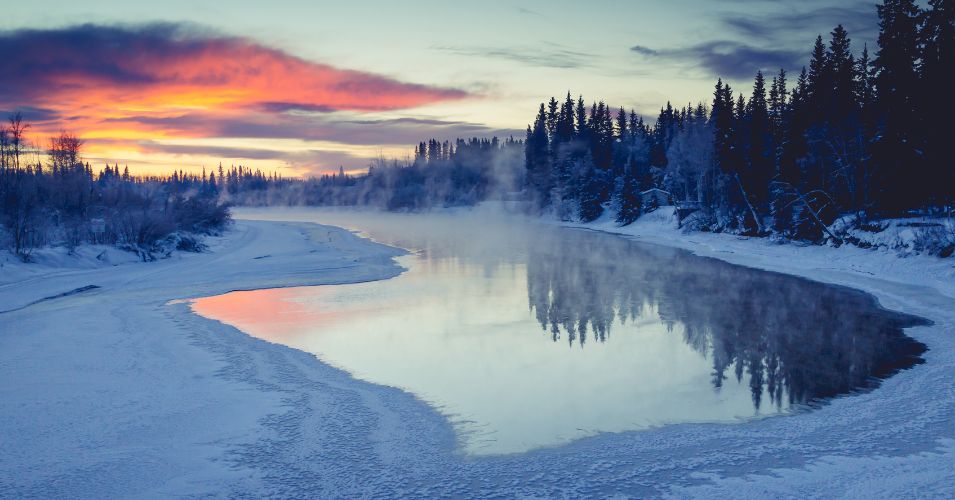
There is no denying that Alaska looks spectacular in winter. Snow blankets the mountains, frozen rivers stretch across the landscape, and the northern lights often put on an unforgettable show. It is easy to see why the season attracts adventurous visitors. For many seniors, though, winter can create more obstacles than opportunities.
Cold weather is the first challenge. Temperatures regularly stay below freezing, and icy conditions are common in many parts of the state. Sidewalks, parking lots, and walking paths can become slippery even after they have been cleared. That means simple activities, such as exploring a downtown area or walking to a scenic overlook, may require extra care.
Getting to Alaska can also become less predictable during the colder months. Snowstorms and strong winds sometimes delay flights, while poor road conditions can slow travel between destinations. Even if your plans stay on schedule, worrying about weather interruptions is not the most relaxing way to begin a vacation.
Another issue is the limited daylight. In parts of Alaska, winter days are surprisingly short. You may only have a few hours of sunlight before darkness returns. That leaves less time for sightseeing, photography, and outdoor activities, especially if you prefer not to be out after dark.
Visitors are often surprised by how many attractions close for the season. Glacier cruises, wildlife tours, and several scenic rail routes usually pause operations until spring. Smaller towns may also have fewer restaurants, shops, and visitor services available because tourism slows down significantly during winter.
That does not mean winter has nothing to offer. Travelers hoping to see the northern lights or enjoy snow-based adventures may find it to be the perfect season. However, seniors looking for comfortable sightseeing, dependable transportation, and a wider choice of activities will often have a much better experience at another time of year.
Early Spring Brings More Challenges Than Rewards
Many people assume early spring is one of Alaska’s hidden gems. Prices are often lower than summer, and the biggest crowds have not yet arrived. While those advantages sound appealing, March and April can leave visitors feeling caught between two very different seasons.
Winter is not quite finished, yet spring has not fully arrived. The weather changes quickly, sometimes within a single day. A sunny morning can give way to snow showers or freezing temperatures by the afternoon. Packing becomes more complicated because you need clothing for several different conditions rather than a single predictable forecast.
The landscape is also in transition. Instead of fresh snow or lush greenery, many areas are covered with melting ice, muddy ground, and bare trees. The scenery is still beautiful in its own way, but it may not match the picture many travelers have in mind when they imagine Alaska.
Getting around can also be less comfortable. As snow melts, trails and outdoor viewing areas often become wet and uneven. Seniors who enjoy leisurely walks or rely on stable footing may find some locations more difficult to explore than they expected.
There is another disappointment that catches first-time visitors off guard. Many of Alaska’s best-known experiences have not started for the season. Wildlife cruises, glacier excursions, fishing charters, and other popular tours often begin later in spring, leaving fewer choices for travelers who arrive too early.
Wildlife viewing can also be hit or miss. While animals are becoming more active, this is not yet the peak season for many of the sightings visitors travel long distances to experience. If seeing whales, bears, or large gatherings of birds is high on your wish list, waiting a few more weeks usually pays off.
Early spring certainly has its fans, especially among travelers who enjoy quieter destinations. Still, seniors hoping for comfortable weather, reliable attractions, and the classic Alaska experience will usually find that patience is rewarded.
Peak Summer Has Its Own Drawbacks
If you ask someone when to visit Alaska, chances are they will say summer. The days are long, wildlife is everywhere, and almost every tour is operating. It sounds like the perfect time to go, but it is also the busiest season of the year. For some seniors, that popularity can take away from the experience.
Crowds are hard to avoid between June and August. Cruise ships arrive daily, bringing thousands of passengers into popular ports within a short period. Streets that look peaceful in travel brochures can become packed with tour groups, shuttle buses, and visitors moving from one attraction to the next. If you enjoy taking your time, the constant activity can become exhausting.
The popularity of summer also affects prices. Hotels often charge their highest rates, flights are more expensive, and many excursions cost noticeably more than they do during the shoulder seasons. Waiting until the last minute usually does not help either. The best rooms and most popular tours are often booked months before summer even begins.
Some travelers are also surprised by the amount of daylight. Seeing the sun well into the evening is exciting at first, but it can make it difficult to unwind at the end of the day. If you already have trouble sleeping away from home, the nearly endless daylight may leave you feeling more tired than expected.
Then there is the weather. Alaska does not guarantee sunny summer days. Rain can arrive without much warning, especially in coastal areas, and temperatures can feel much cooler than visitors expect. It is common to wear a light jacket in the middle of July.
None of this means summer should be avoided completely. It remains the easiest season for sightseeing because almost everything is open. The question is whether you enjoy sharing those experiences with thousands of other visitors. If quieter surroundings matter more than having every attraction available, another season may leave a stronger impression.
Fall Can Feel Too Quiet for Some Travelers
By the time fall arrives, Alaska begins shifting back toward everyday life. The busy tourist season fades, cruise ships become less frequent, and many communities settle into a much slower pace. That peaceful atmosphere is exactly what some travelers are looking for. Others quickly realize they have arrived after much of the action has ended.
The biggest change is the number of attractions that begin closing for the year. Tour companies gradually wrap up their seasons, some scenic rail services reduce their schedules, and certain visitor attractions close their doors until spring.
It is easy to build an itinerary around activities you discover online, only to learn they are no longer available when you visit. The towns feel different as well. During summer, streets are filled with visitors exploring local shops and waterfronts. A few weeks later, the same places can seem noticeably quieter.
Some restaurants operate on shorter hours, while smaller businesses close for the season altogether. That slower pace appeals to many people, but others may feel they are missing part of Alaska’s energy.
Weather also becomes less predictable as autumn moves along. Cool mornings become common, rainfall increases, and the first hints of winter are never far away. Depending on where you travel, you may even see the season’s first snowfall before your trip is over.
Wildlife viewing can still be rewarding, although it is generally less reliable than it is during the height of summer. Some animals have already started moving toward their winter habitats, while others are simply harder to spot. Visitors hoping for frequent wildlife encounters may need more patience than they expected.
Fall is not a bad time to visit Alaska. In fact, many repeat visitors prefer its calm atmosphere and colorful scenery. It is simply a season that rewards travelers who enjoy slower days rather than those hoping to experience every famous attraction on a single trip.
How to Choose the Best Time for a Comfortable Alaska Vacation
Planning an Alaska vacation is not just about picking a month on the calendar. It is about deciding what kind of trip you want to have. The answer may be different for every senior traveler.
Some people dream of spotting humpback whales from a cruise deck. Others picture themselves taking a scenic train ride through the mountains or enjoying a quiet afternoon in a small coastal town. Once you know what matters most, choosing the right season becomes much easier.
For many seniors, the weeks just before and just after the busiest part of summer strike a nice balance. Attractions are still operating, wildlife is active, and the crowds are often smaller than they are during the middle of the season. You may also find better prices on hotels, cruises, and flights if your travel dates are flexible.
Comfort should play a bigger role than many people realize. Alaska is a destination where you will likely spend plenty of time outdoors, whether you are walking through a historic downtown, boarding a sightseeing boat, or admiring a glacier from a viewing area. Mild temperatures and dry conditions can make those experiences much more enjoyable than dealing with icy sidewalks or steady rain.
It also helps to avoid packing too much into a single day. Alaska is not a place that needs to be rushed. Slowing down gives you more time to appreciate the scenery, take photographs, and enjoy the moments that often become the highlights of the trip.
Before making reservations, check that the tours and attractions on your wish list will be operating during your visit. Many travelers assume everything stays open year-round, only to discover that some excursions have already ended for the season.
The best Alaska vacation is not necessarily the one with the fullest itinerary. It is the one that matches your comfort level, your interests, and a pace that lets you enjoy every day without feeling worn out.
Final Thoughts
There is no bad time to visit Alaska, but there are certainly times that suit senior travelers better than others. Weather, daylight, crowds, and seasonal closures all shape the experience in different ways, so choosing your travel dates deserves as much attention as choosing your destination.
A little planning can save you from unexpected disappointments. Visiting when the weather is comfortable, attractions are open, and travel conditions are more predictable gives you a better chance of enjoying everything that makes Alaska so special.
Instead of spending your vacation working around seasonal challenges, you can focus on the towering glaciers, incredible wildlife, and unforgettable landscapes that brought you there in the first place.