
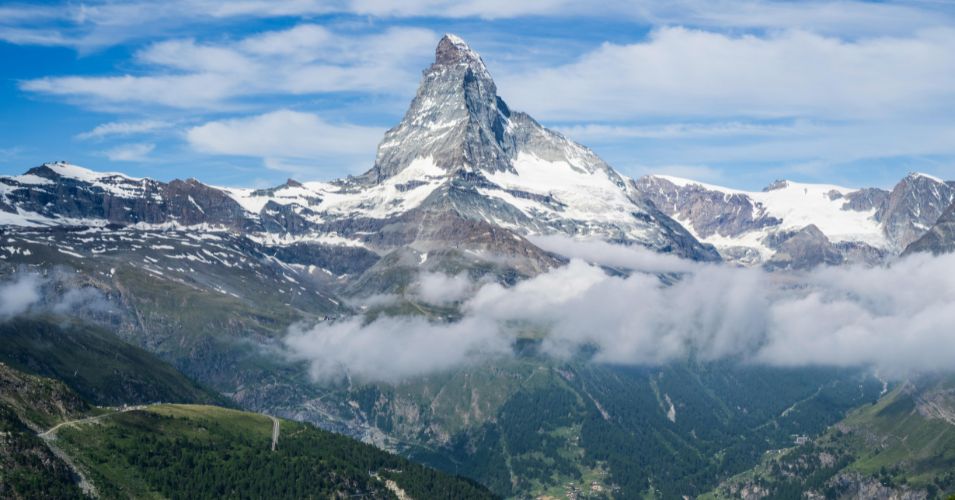
Switzerland is an easy country to fall for. The trains take you past blue lakes and mountain villages, historic towns invite slow afternoons, and there always seems to be another incredible view around the corner.
But timing matters, particularly for older travelers. A trip that sounds wonderful on paper can become tiring when icy streets, packed trains, summer heat, or short winter days get involved.
Some months simply demand more energy and planning than others. Before booking flights and hotels, it helps to know when Switzerland may be harder to navigate and why choosing different dates could make your vacation far more enjoyable.
Why January Can Be Tough for Senior Travelers
Switzerland in January certainly looks the part. Snow settles across Alpine villages, mountains turn bright white, and places such as Zermatt can look as though they belong on a postcard.
But beautiful winter scenery does not always translate into an easy holiday, especially for seniors who prefer comfortable days with plenty of sightseeing.
The cold is the first thing to consider. Temperatures depend on where you are, of course, but January is firmly winter across the country. Head into the mountains and the chill becomes much more noticeable. Standing around waiting for transport or spending a few hours outdoors can quickly lose its appeal.
Then there is the snow under your feet. Main streets are generally well maintained, but smaller paths, steps, station entrances, and shaded areas can still be slippery. Ice is not always obvious either. A route that looks perfectly manageable from the hotel window may require slower, more careful walking once you are outside.
That can change the whole pace of a day for someone who is not completely steady on their feet.
Mountain excursions also need a little more flexibility in January. Snowfall, strong winds, and changing conditions can affect some cable cars, mountain railways, roads, and viewing areas. Switzerland is famous for efficient transport, but even an excellent system cannot control the weather.
The month is also popular with skiers. Resorts such as St. Moritz and Verbier can be lively, expensive, and noticeably busier than seniors expecting a peaceful winter escape might imagine.
There is nothing wrong with choosing January if snow is the main attraction. Sitting on a scenic train while white mountains roll past the window can be a memorable experience in itself.
For seniors who picture their Swiss vacation differently, perhaps with leisurely walks, easy access to viewpoints, and hours spent wandering through old towns, January asks for more patience and preparation than many warmer months.
February Brings Snow, Ice, and Busy Ski Resorts
February might look like a safer bet because spring is getting closer. In much of Switzerland, however, winter is nowhere near finished. That is especially true in the Alps.
Snow is part of February’s appeal, but it can also complicate a senior vacation. Walking around mountain towns may involve packed snow, wet surfaces, or patches of ice. Even well-cleared streets can become slippery when daytime melting is followed by freezing temperatures.
For a confident walker, that might simply mean wearing sensible shoes and paying attention. For someone with balance or mobility concerns, it can turn a casual afternoon stroll into something that requires constant care.
The crowds deserve attention too. February falls right in the middle of Switzerland’s winter sports season. Popular ski areas can fill with families, groups, and serious skiers, particularly around weekends and holiday periods.
Trains heading toward mountain resorts may be busy, restaurants can feel packed, and cable car stations are not always the quiet Alpine experience shown in travel brochures.
Those crowds can affect the budget as well. Staying in a famous ski destination during a popular winter period may cost considerably more than visiting outside peak season. Seniors who have no interest in skiing could end up paying winter resort prices without enjoying the main reason those prices are high.
Even getting dressed for the day takes more effort. A February outing can mean thermal layers, a heavy coat, gloves, suitable footwear, and perhaps extra clothing in a bag. Moving between heated trains and freezing outdoor platforms with all those layers gets tiring surprisingly quickly.
Still, February has its rewards. Snow-covered peaks can be spectacular, and Switzerland knows how to make winter travel feel special. The question is whether that is the holiday you actually want.
If your ideal Swiss trip involves relaxed lakeside walks, comfortable outdoor lunches, uncrowded sightseeing, and the freedom to wander without watching every icy step, February may leave you wishing you had waited a few more months.
The Hidden Challenges of Visiting Switzerland in March
March can catch travelers off guard in Switzerland. Look at the calendar, and it feels as though spring should be arriving. Look out of the window in a mountain village, and you may see something very different.
This is a month when Switzerland cannot quite decide which season it wants to be.
In Zurich or Geneva, you could get a pleasant afternoon for walking around. Travel higher into the Alps, and winter clothing may still be essential. Snow can remain on the ground, and temperatures can drop quickly once the sun disappears.
For seniors, those changing conditions make packing and daily planning more complicated. You may need waterproof clothing, warm layers, sturdy shoes, and lighter clothes on the same trip. Going out for the day often means carrying more than you would during a settled summer or late spring vacation.
Conditions underfoot deserve attention as well. Old snow does not simply disappear overnight. It melts into slush and water, then sometimes freezes again when temperatures fall.
That combination can make paths messy or slippery, particularly in shaded areas.
March also sits between Switzerland’s major travel seasons. Higher ski resorts may still have plenty of snow, but lower areas can start looking less wintry. Meanwhile, many warm-weather hiking trails and seasonal mountain experiences are not yet available.
This matters if you have a long list of outdoor activities planned. A beautiful route you found while researching the trip may be much more suitable in June than March.
The landscape itself can feel caught between seasons. Snow may have vanished from lower ground, but spring flowers and lush green scenery have not necessarily taken its place. Some days are bright and beautiful. Others can be gray, damp, and surprisingly cold.
There are advantages to March, including fewer visitors in certain places. But seniors who want to unpack, settle in, and enjoy predictable days may find the constant question of weather more trouble than it is worth.
Why July Crowds Can Make Travel Less Comfortable
July seems to solve nearly every problem that winter creates. There is no suitcase stuffed with bulky coats, daylight lasts well into the evening, and many of Switzerland’s most famous outdoor experiences are easy to reach.
The catch is simple. A lot of other people want the same thing.
Summer visitors pour into places such as Lucerne, Interlaken, and the Jungfrau region. Scenic trains fill up. Queues form for popular cable cars. Viewing platforms that look peaceful in photographs can feel very different when several tour groups arrive at once.
For younger travelers, weaving through a busy station or standing in a long queue may be little more than an inconvenience. Some seniors will find it considerably more tiring, especially when a day already includes several train changes and plenty of walking.
July can also be warmer than first-time visitors expect. Switzerland has mountains and glaciers, but that does not mean every summer day is cool.
Lower cities can become hot, and sightseeing under strong afternoon sunshine takes energy. Walking across an old town at 2 p.m. feels rather different from enjoying the same streets on a fresh May morning.
Accommodation brings its own headache. July is popular, so leaving reservations until the last minute can mean paying more or compromising on location. That matters when staying close to a railway station or choosing a hotel with an elevator would make the trip noticeably easier.
Even restaurants and lake cruises can feel busier at the times everyone naturally wants to use them.
None of this takes away from Switzerland’s summer beauty. July gives visitors green valleys, open mountain routes, long evenings, and countless opportunities to spend time outside.
Senior travelers simply need to ask what they want from the holiday. If the answer is quiet stations, uncrowded viewpoints, leisurely lunches, and plenty of room to change plans, peak summer can work against that slower style of travel.
December Is Beautiful but Not Always Senior Friendly
Switzerland does Christmas exceptionally well. By December, town squares are glowing with lights, wooden stalls are serving seasonal treats, and mountain resorts are settling into winter. It is easy to see why so many people dream about visiting at this time of year.
But December asks a little more from senior travelers.
For one thing, there simply is not as much daylight to work with. If you like slow mornings and leisurely breakfasts, you may find the afternoon disappearing sooner than expected. That matters when a day involves a train journey, a mountain excursion, and some walking once you arrive.
The cold can also make a seemingly simple day feel longer. Waiting outside for a bus is not much fun when temperatures have dropped, and spending an hour wandering through a Christmas market can become uncomfortable once your hands and feet get cold.
Then you have the ground to think about. Snow looks wonderful from a train window. It is less appealing when it has been walked over, partially melted, and frozen again.
Not every street will be slippery, of course, and conditions depend heavily on where you are. Still, seniors who are cautious about falls may find themselves paying more attention to the pavement than the scenery.
December gets busier as Christmas approaches, too. Markets that feel charming during a quiet afternoon can become packed in the evening. Railway stations, shopping streets, restaurants, and popular winter destinations may also be noticeably livelier around the holiday period.
Opening hours deserve a quick check before each outing. Christmas and other holiday schedules can affect when certain businesses and attractions are available, and finding that out after arriving is frustrating.
There is plenty to love about December in Switzerland. For someone who has always wanted Christmas markets, snowy peaks, and cozy evenings, these inconveniences may be a fair trade. If comfort and easy sightseeing come first, however, December probably should not be your first choice.
Final Thoughts
So, when should a senior avoid Switzerland?
There is no perfect answer. January and February suit people who love winter but can be hard work if ice, cold, or ski crowds are a concern. March is unpredictable, July gets busy, and December brings short days just when festive crowds start arriving.
Think less about finding the “best” month and more about how you like to travel. Do you enjoy full days on your feet, or would you rather stop often and take your time? Are crowds bothersome? Does cold weather make walking uncomfortable? Those answers are more useful than any calendar.
For many seniors, the sweet spot will be a quieter period with comfortable temperatures and enough daylight to explore without hurrying. Switzerland is far more enjoyable when there is time to sit beside a lake, linger over lunch, and admire the mountains without feeling that the next train has become a deadline.