

The open road has always been a symbol of freedom, and for many seniors, RV travel is the perfect way to embrace that freedom.
With the advantage of home on the go and the thrill of new horizons, RVing offers a lifestyle that blends adventure with comfort. While this dream is inspiring, the reality can be more complicated. Seniors may face subtle challenges from physical strains to hidden costs that can weigh on the journey.
The good news is that these hurdles do not have to dull the spark. Any obstacle along your way can be managed and overcome with preparation and flexibility.
Why Long Drives Feel Different in Later Years
The idea of taking off on a scenic drive in an RV brings excitement for many seniors. The open road, dynamic landscapes, and freedom are all powerful motivators.
Somehow, though, hours behind the wheel do not feel quite the same as they did years ago.
One reason for this change is reduced stamina. Extended driving demands concentration, and as the miles roll on, fatigue may set in faster. The eyes may tire more quickly from scanning mirrors, road signs, and traffic. Your reaction times may also feel slower, making long stretches of highway more stressful than they are relaxing.
Sitting for too long also creates discomfort. Seniors often find that their hips, knees, or backs stiffen after hours in the driver’s seat. Unlike routine driving, where short errands provide natural breaks, RV travel often involves entire days on the road before reaching the next stop.

There is also the stress of handling a larger vehicle. Driving an RV requires more attention to spacing, turning, and braking. The mental burden of keeping such a large automobile steady can be draining. Add in crosswinds, heavy traffic, or unfamiliar roads, and the complexity deepens.
Despite these challenges, long drives do not have to take away from the joy of RVing.
Planning shorter travel days is one of the best solutions. Instead of a push to cover hundreds of miles at once, seniors should aim for manageable distances, with plenty of rest stops along the way.
Stretching and walking during breaks helps keep the body loose and reduces stiffness. Hydration and light snacking will also support energy and alertness. If allowable, share driving responsibilities to ease the workload and allow for rest.
Most importantly, embrace a new rhythm. The RV lifestyle is about freedom and exploration, not speed. By giving yourself permission to slow down and enjoy the drive, the road becomes part of the adventure rather than a tiring obstacle.
The Hidden Challenges of Maintaining and Managing an RV
RV ownership brings a sense of independence. You can bring your home with you and stop wherever the journey lands. Along with that freedom, however, comes responsibilities that may feel heavy for seniors.
Routine maintenance is one of the biggest hurdles. An RV is more than a vehicle- it is a house on wheels complete with plumbing, electrical systems, and appliances. Keeping everything in working order requires regular checks, from sealing roof seams to checking tire pressure. For seniors, the physical effort of climbing, bending, or lifting can be difficult.
RV repairs often appear without warning. A leaky pipe, a dead battery, or a broken air conditioner can happen in the middle of a trip. Unlike at home, where help is nearby, RV owners may need to troubleshoot problems independently until they reach a service station. The pressure of solving these issues on the go can be overwhelming.
Even routine tasks, such as dumping waste tanks or refilling propane, demand physical strength and careful handling. Seniors may find these chores more tiring than expected, especially after a long day of travel.
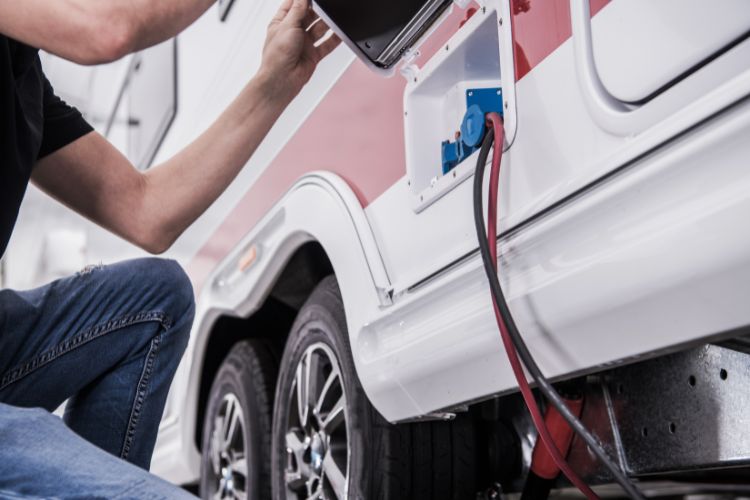
The financial side of vehicle maintenance adds another layer of stress. RV parts and labor can be costly, and breakdowns rarely happen at convenient times. Planning for these expenses is just as important as planning for gas and campground fees.
The good news is that solutions exist. Regular preventative maintenance reduces the risk of surprise repairs. Seniors should schedule yearly inspections with RV service centers to catch issues early. Use mobile repair services, as these come directly to the campsite to save time and physical strain.
For physical tasks, lightweight hoses, automatic leveling systems, and user-friendly waste management tools make chores less demanding. Some seniors also choose to travel with friends or join RV clubs, where members help one another with upkeep.
Managing an RV as a senior may feel like a hidden struggle, but with planning, the right tools, and a willingness to seek help, the challenges become manageable. The reward is freedom of the road, paired with the comfort of knowing you are prepared for the bumps along the way.
When Mobility and Comfort Collide on the Road
One of the joys of RV travel is having the comforts of home within reach. A soft bed, a stocked kitchen, and a private bathroom all go with you. For seniors, however, mobility issues can make it harder to enjoy these comforts fully. The limited space inside an RV can turn simple movements into surprising challenges.
Narrow hallways, small steps, and compact bathrooms can be tricky to navigate. Moving from the driver’s seat to the living area may require balance and coordination, especially while parked on uneven ground. Tasks like bending into storage compartments or climbing into a raised bed can strain joints and muscles.
Sitting for long hours can lead to discomfort, and RV chairs and couches may not always offer the same support as furniture at home. Sleeping arrangements also feel different. A mattress that is too firm or too soft may lead to stiff mornings and can affect how much energy you have for the day’s adventures.
Outside the RV, mobility challenges persist. Hooking up water, electricity, and sewage often involves crouching or kneeling. Stairs into the RV can feel steeper with age and, without sturdy handrails, can be hazardous.
Yet, these struggles do not mean comfort is out of reach. Many RVers adapt their vehicles to suit their needs. Adding supportive cushions, memory foam toppers, or orthopedic chairs can make a huge difference. Install handrails near steps, showers, and beds to add safety and build confidence.
Mobility aids such as foldable stools, portable ramps, or grabbers for reaching items in storage help reduce strain. Choose campgrounds with paved sites and level parking to make daily routines easier.
The key is to view mobility and comfort as part of the planning process. With thoughtful adjustments and equipment tailored to your needs, the RV lifestyle is welcoming. Comfort and independence can go hand in hand, even if your mobility is not what it used to be.
The Emotional Weight of Traveling Far from Home
RV travel often looks carefree with photos of scenic campsites and sunsets over open highways. For seniors, though, the emotional aspect of being far from home can be a significant struggle.
Home is more than a building; it is familiarity, routine, and a sense of security. When you take your home on wheels into unfamiliar places, you leave behind neighbors, doctors, and the comfort of knowing where things are. This absence can create feelings of vulnerability.
In places unknown, it is common for seniors to worry about potential emergencies. What if health problems arise far from a trusted hospital? What do we do if the RV breaks down in an isolated area? These questions can turn excitement into angst, even before the trip begins.
Loneliness is also a potential challenge. While RV parks can be social, the road itself can feel isolating. Long stretches between destinations sometimes bring silence that weighs heavily, especially for those traveling without a partner or close friend.
Another emotional concern is the fear of not belonging. Younger RVers may move faster, both on the road and in their social circles. Seniors may feel left out or hesitate to join group activities.
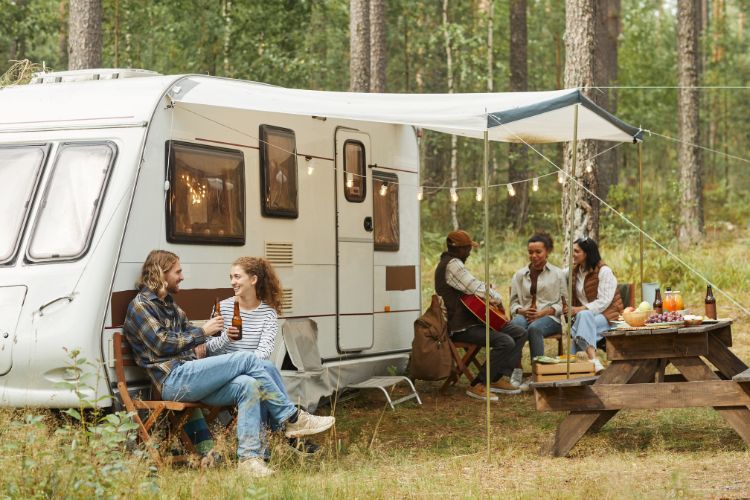
These emotional struggles are real, but they can be eased. Stay connected with loved ones through video calls or regular check-ins to bring reassurance. Many RVers also join senior-focused clubs and caravans, where shared experiences create lasting bonds.
Plan routes with stops in familiar towns or near supportive communities to reduce feelings of distance. Carrying comfort items, like a favorite blanket or a well-loved book, helps maintain a sense of home no matter where the RV is parked.
Traveling far from home always carries an emotional weight. Yet, with connections, preparation, and self-kindness, seniors can balance those feelings and embrace the beauty of the open road.
How Finances Shape the Freedom of RV Living
RV travel is often imagined as a budget-friendly way to see the country. After all, you carry your home with you, and campgrounds are usually cheaper than hotels. For seniors, however, the financial side of RVing is often one of the most challenging and least discussed struggles.
The biggest expense is the RV itself. Whether new or used, the cost can be significant. Even after the purchase, expenses persist. Insurance, registration, and storage fees add up quickly, and for seniors living on a fixed income, these recurring costs are substantial.
Fuel is another ongoing expense. Large RVs consume far more gas than cars, and long trips mean frequent, costly stops at the pump. Watching the needle drop faster than expected can make even a short drive feel expensive.
Campground fees vary widely. Some parks are affordable, while others in popular areas charge rates comparable to hotels. Add in electricity hookups, Wi-Fi access, or laundry facilities, and the bill continues to grow.
Maintenance also plays a role in shaping financial freedom. Tires, brakes, and plumbing systems wear out with use, and surprise repairs are almost inevitable at some point. Seniors often worry about whether their savings will stretch to cover the unpredictable.
Finances do not have to close the door on your RV dreams, however. Planning is the first step. Create a realistic budget that includes fuel, campground fees, and emergency repairs to travel with peace of mind.
Many RVers can save money by traveling more slowly. Staying longer at each stop reduces fuel costs and often earns discounted campground rates. Choosing a smaller RV or camper van is also a possibility, as they cost less to operate and maintain.
Discount programs for seniors, such as national park passes or campground memberships, can also lower expenses. Some seniors volunteer at campgrounds in exchange for free stays, turning travel into both an adventure and a savings.
The road may not always be cheap, but with careful choices and flexibility, seniors can shape their finances to support their RV lifestyle. The freedom of the open road is possible, even on a thoughtful budget.
Final Thoughts
RVing as a senior brings challenges, both apparent and unknown. Long drives, maintenance, mobility, emotional factors, and finances all play a role in shaping your journey. Yet, none mean the dream must end. With planning, creativity, and the right support, every obstacle can be a manageable part of the adventure.
The road may look different than it once did, but the joy of discovery, the comfort of your home on wheels, and the beauty of new horizons remain as rewarding as ever.