

Washington can look like a peaceful place to spend retirement, especially with its natural beauty, mild climate, and many charming towns. But once daily life settles in, some parts of the state can feel far less relaxing than expected, especially when rising housing costs, safety concerns, road problems, and environmental risks begin to affect daily comfort.
Retirement works best when life feels manageable. In some Washington communities, the reality can be more stressful, more expensive, and more frustrating than many retirees expect.
That is why it helps to look beyond the postcard image and pay attention to the issues that can quietly wear people down over time.
Car Break-Ins Can Damage Peace of Mind
Living in a place where car break-ins occur too often can slowly chip away at the calm many retirees seek. Even if you never become a victim yourself, the worry can still follow you through ordinary parts of the day.
That kind of stress tends to build over time. What starts as a small concern can turn into a habit of always watching, checking, and second-guessing where you park.
In Bellingham, the walkable downtown, waterfront appeal, and cooler weather can make the town feel attractive at first glance. But in some parts of town, vehicle break-ins and theft-related concerns have made some residents more cautious than they expected to be in retirement.
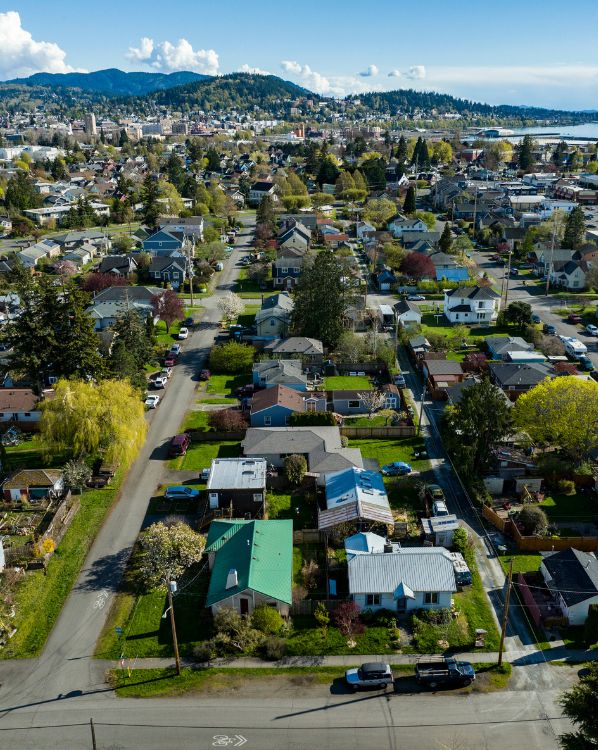
A retiree may start avoiding certain parking lots, keeping absolutely nothing visible in the car, and thinking twice before leaving the vehicle for too long. Those are small changes, but they add up and can make life feel less relaxed.
It is not just about the money it takes to replace a window or a stolen item. It is also the emotional drain of feeling that your personal space is no longer fully secure.
That matters more in retirement than many people realize. When you are trying to enjoy a slower and more peaceful phase of life, constant low-level worry can become exhausting.
Olympia has some retirees who are drawn to the city’s greenery, government services, and manageable size. But in busier areas, especially where parking is more exposed, some residents feel they need to stay more alert than they would like.
That can affect daily routines in ways that are easy to overlook at first. A simple grocery run or dinner out should not come with a mental checklist about where your car will be safest.
Over time, repeated concerns like that can change how free you feel in your own town. Instead of settling into comfort, you may start organizing your life around avoiding hassle.
That is what makes this issue more important than it may seem on paper. Retirement should feel lighter, not like another stage of staying on guard.
Skyrocketing Housing Costs Shrink Retirement Savings
A town can seem perfect for retirement until the housing numbers start telling a very different story. Once home prices, taxes, and monthly bills begin rising too fast, even a beautiful place can start to feel financially heavy.
That is one of the biggest retirement risks in Washington. A location may still look appealing on the surface, but the cost of staying there can quietly reshape your entire lifestyle.
Vancouver retirees often like the idea of being close to Portland while still enjoying Washington’s tax advantages. But housing prices in the area have climbed enough to make many people pause, especially if they are hoping to retire without stretching every dollar.
What looks manageable at first can feel tighter once the full picture comes into view. Mortgage payments, insurance, upkeep, and property taxes can combine to become a much bigger burden than expected.
That matters even more when retirement income is fixed. When your monthly spending has less flexibility, rising housing costs do not just feel annoying; they can directly affect how comfortably you live.
Some retirees may end up buying less home than they hoped for or settling farther from the services they need. Others may find themselves spending so much on housing that travel, hobbies, and daily freedom begin shrinking.
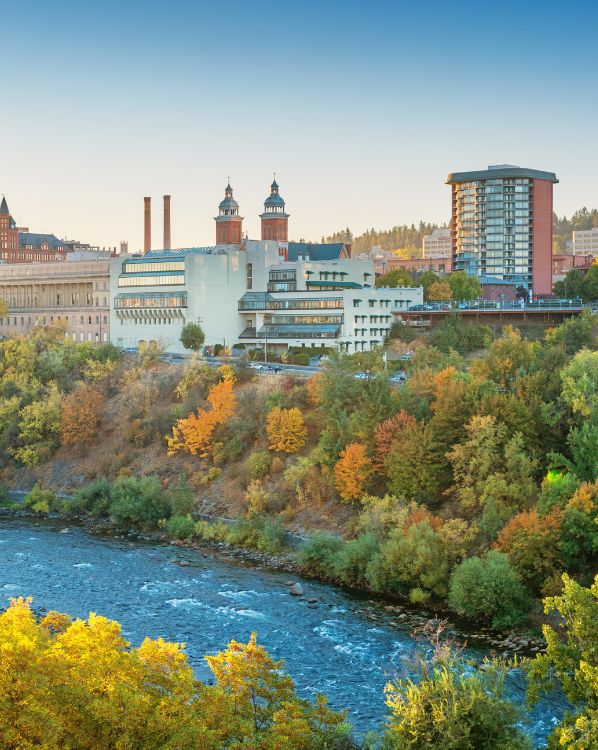
Spokane Valley has often been known for its balance of space, convenience, and lower costs compared to bigger Washington markets. But as more people have moved into the area, that affordability has become less dependable than it once was.
Retirees who expected breathing room in their budget may discover that the local market no longer offers the same value. That can be especially frustrating when the move was meant to create a more secure and manageable future.
A home should support retirement, not quietly put pressure on it. When too much of your savings is absorbed by housing, the rest of your life can start to feel smaller than planned.
Dirty Surroundings Wear Down Daily Comfort
A town may look appealing at first glance, but daily surroundings play a much bigger role in long-term comfort than many retirees expect. When streets feel neglected or public spaces fall into disrepair, it can slowly change how you feel about where you live.
Clean surroundings are not just about appearance; they shape your mood and sense of pride in your environment. When that slips, it becomes harder to fully relax and enjoy everyday life.
In Everett, the waterfront views and proximity to larger job centers can make it seem like a practical retirement choice. However, some areas struggle with litter, worn public spaces, and visible neglect that can make daily walks or errands feel less pleasant.
That kind of environment does not always hit you all at once. It builds over time as small details begin to stand out more each day.
You may notice fewer well-kept areas to sit and relax, or feel less motivated to spend time outside. That can quietly reduce the simple joys that make retirement feel fulfilling.
Yakima retirees are often drawn by the lower cost of living and access to open landscapes. But certain parts of town can feel less well-maintained, with issues such as scattered debris, aging infrastructure, and uneven upkeep in public areas.
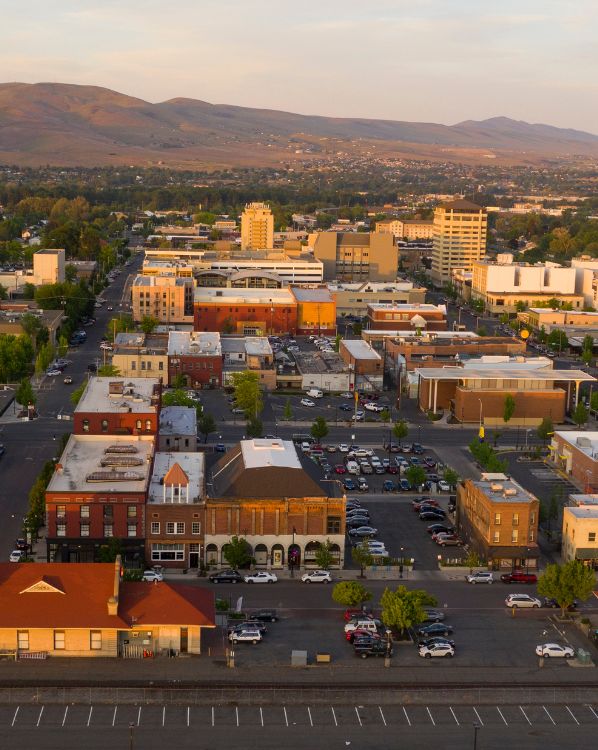
These conditions can influence how safe and comfortable you feel moving around your own neighborhood. Even if your home is well-kept, the surrounding environment still shapes your daily experience.
Over time, living in a place that feels worn down can start to affect your overall outlook. Retirement is meant to feel like a step into a more enjoyable pace, not a setting where surroundings slowly wear on your sense of ease.
Wildfire Risk Can Bring Seasonal Stress
Wildfire risk is something many people underestimate until they experience it firsthand. In parts of Washington, certain seasons can bring ongoing concern about air quality, safety, and sudden changes in daily life.
This type of stress is different from typical weather patterns. It carries a level of unpredictability that can make planning and peace of mind more difficult.
In Wenatchee, the sunny climate and scenic views of hills and orchards attract many retirees looking for a quieter setting. But the surrounding landscape also increases exposure to wildfire risk during drier months.

That can lead to weeks where smoke fills the air and outdoor activities become limited. Even staying indoors does not always eliminate the concern, especially when air quality drops.
For retirees, this can affect both physical comfort and emotional well-being. Breathing concerns, canceled plans, and constant monitoring of conditions can turn a beautiful setting into a source of tension.
Spokane Valley is not always the place people think of when it comes to wildfire concerns, but it can still experience smoke drift from nearby fires at certain times of the year. This can catch new residents off guard, especially those who expected more predictable seasonal changes.
The stress does not always come from direct danger, but from the ongoing awareness that conditions can shift quickly. That sense of uncertainty can make it harder to settle into a truly relaxed routine.
Retirement is often about consistency and comfort. When each season brings a layer of worry about air quality and safety, it can take away from the sense of stability many people seek.
Crumbling Roads Can Make Daily Travel Frustrating
A place can have beautiful scenery and still become tiring to live in if the roads constantly make simple trips more stressful than they should be. For retirees, road quality matters more than many realize because daily comfort is closely tied to how easy it is to get around.
When roads are rough, uneven, or poorly maintained, even short drives can become annoying. That frustration grows faster in retirement because errands, appointments, and casual outings often make up a bigger part of everyday life.
Bremerton retirees may like the waterfront setting and the access to ferry travel, but some stretches of road and heavily used local routes can feel more worn than expected. Potholes, patchy pavement, and aging traffic corridors can turn a simple drive into something that feels bumpier and more draining over time.
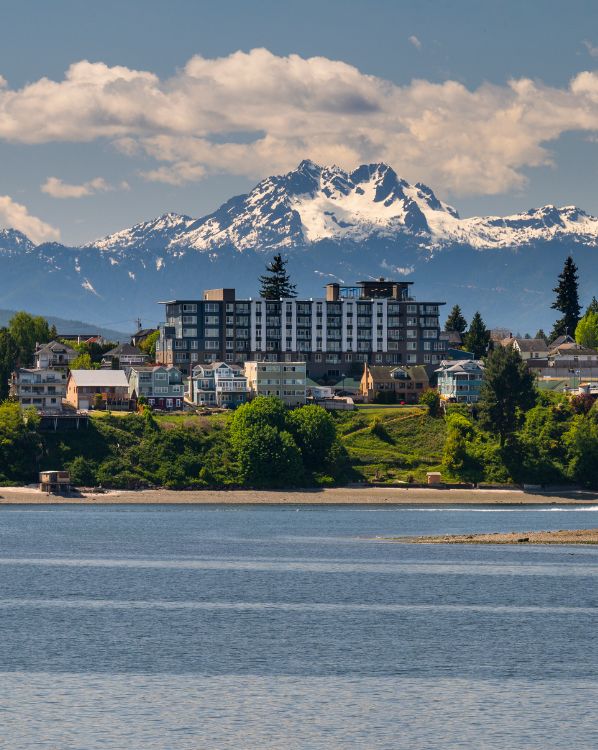
That may not sound like a major issue at first, but it starts affecting how often people want to go out. If every trip feels rough, noisy, or slower than it should, daily life can begin to feel less convenient.
At Longview, the lower home prices and practical layout may appeal to retirees looking to keep costs manageable. But in some parts of town, aging roads and worn infrastructure can make driving feel less smooth and less pleasant than expected.
That can become especially frustrating for older drivers who want clear, comfortable travel without extra hassle. Poor road conditions also make routine drives to stores, restaurants, or doctor visits feel more tiring than they should.
Retirement works best when daily movement feels simple and dependable. If the roads around you keep adding irritation to the most ordinary parts of life, the town can start feeling harder to enjoy than it first appeared.
Final Thoughts
Washington has many beautiful places, but beauty alone does not always make a town ideal for retirement. Daily life matters more, and small frustrations can become much bigger once they become part of your weekly routine.
That is why it helps to look past scenery and think carefully about comfort, safety, affordability, and convenience. A town that feels right for retirement should make life easier, not quietly wear you down over time.
The best retirement choice is the one that feels steady, manageable, and peaceful long after the excitement of moving wears off.