
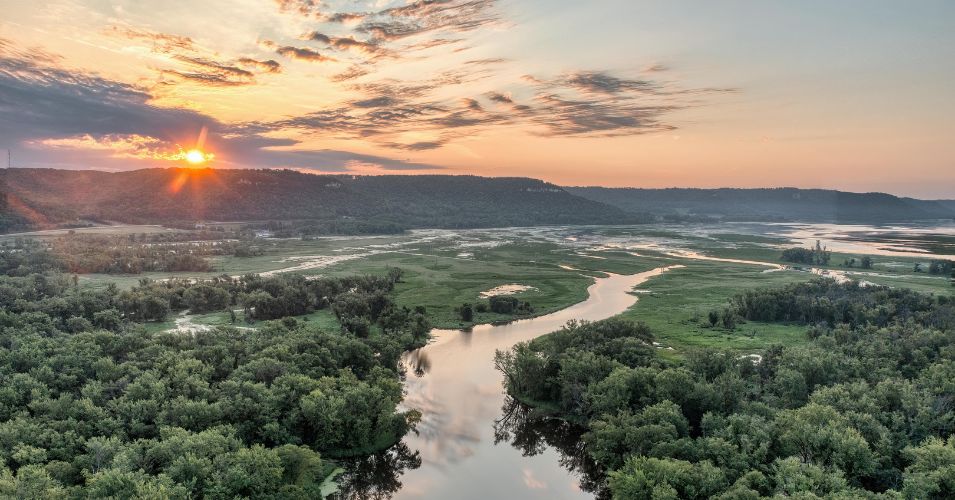
Minnesota offers plenty for travelers, from quiet lake country and wooded parks to busy attractions and small towns along Lake Superior. But some trips are easier on the body than others.
Long trails, rough ground, hours of walking, remote locations, and icy winter conditions can turn a promising getaway into a tiring one, especially for older adults with limited mobility or stamina.
The good news is that you can spot many of these problems before leaving home. Knowing which places require extra effort makes it easier to decide what feels manageable and where a different destination might provide a more enjoyable vacation.
Remote Areas Far From Everyday Services
Peace and quiet are easy to find in northern Minnesota. The tradeoff is that help, supplies, and basic conveniences can be much farther away than many travelers expect.
The Boundary Waters Canoe Area Wilderness takes that isolation to another level. Spread across a vast stretch of northeastern Minnesota, this is the kind of place people visit precisely because roads, buildings, and crowds largely disappear.
That sounds wonderful until someone needs a pharmacy, medical attention, a comfortable restroom, or simply an easier way back to civilization.
Travel here can involve canoeing between lakes and walking portage trails while carrying equipment. Even without hauling a canoe, uneven paths and long periods outdoors can drain energy quickly. Cell reception is also unreliable in parts of the wilderness, so calling for assistance may not be as simple as reaching for a phone.
For older visitors with mobility problems or health concerns, those details matter. A twisted ankle or sudden illness is far more complicated when the nearest road is not just around the corner.
The Northwest Angle creates a different problem. This remote part of Minnesota sits north of the 49th parallel and is cut off from the rest of the state by land. Travelers driving there from Minnesota generally have to pass through Canada before re-entering the United States.

That unusual geography turns the journey itself into part of the challenge. The area is quiet and scenic, especially for travelers interested in fishing, but choices for shopping, dining, and other services are limited compared with more developed vacation spots.
Seniors who enjoy remote adventures may see all of this as part of the appeal.
For anyone who feels more comfortable staying near medical facilities, pharmacies, restaurants, and easy transportation, though, both destinations may require more planning and independence than a relaxing Minnesota getaway should.
Rugged Parks With Difficult Trails and Terrain
A waterfall or sweeping Lake Superior view can look effortless in a photograph. What the picture rarely shows is the rocky trail, steep climb, or slippery patch of ground that may stand between the parking lot and that view.
Tettegouche State Park is one place where visitors should pay close attention to the route ahead. Located on Minnesota’s North Shore, the park is packed with dramatic scenery, including waterfalls, cliffs, forests, and overlooks. Reaching some of its attractions, however, can involve trails with rocks, exposed roots, slopes, and changes in elevation.
Those conditions may not bother an experienced hiker. For a senior with stiff joints, limited stamina, poor balance, or a walking aid, they can change the character of an afternoon very quickly.
Wet weather adds another concern. Rocks and natural trails can become slippery, while a route that felt comfortable on the way out may seem considerably longer once fatigue sets in.
Banning State Park, along the Kettle River, brings similar concerns in a different setting. Its forest and river landscape includes rugged trails, rocky sections, sandstone features, and traces of the area’s quarrying history. It is an interesting place to explore, but visitors should not expect every part of the experience to resemble a smooth park walkway.

Footing deserves particular attention here. Roots, stones, slopes, and damp surfaces can be difficult for anyone who is unsteady on their feet. A walking stick may help some visitors, but it cannot turn a rough trail into an accessible one.
Neither park needs to disappear from a senior travel list completely. Much depends on fitness, mobility, weather, and the route chosen. Still, seniors who want level paths, plenty of benches, short distances, and sightseeing that requires little physical effort may find these rugged parks more work than pleasure.
Large Attractions That Demand Hours of Walking
Size is easy to underestimate when planning a day out. A place might look manageable on a map, yet feel very different after several hours of walking, waiting in lines, and weaving through crowds.
Mall of America in Bloomington is a good example. So much is packed under one roof that the temptation is to keep going. Shops lead to restaurants, restaurants lead to entertainment, and before long, visitors may realize they have been on their feet for most of the afternoon.
The multiple levels add another wrinkle. Elevators and escalators make moving between floors easier, but getting from one end of the mall to another can still take time. Add weekend crowds, families with strollers, and groups stopping in busy walkways, and a leisurely shopping trip can become surprisingly tiring.
For someone with sore knees, limited stamina, or difficulty walking long distances, trying to see too much may spoil the fun.
Then there is the Minnesota State Fair in Falcon Heights. This is not the sort of attraction where visitors park, see one main sight, and leave. Food stalls, exhibition buildings, livestock areas, shops, rides, and stages are scattered across the fairgrounds, encouraging people to wander for hours.

Late August heat can make those distances feel even longer. Standing in a popular food line under the sun may be manageable early in the day, but less appealing after several hours on tired feet. Crowds bring their own frustrations. Moving at a comfortable pace is harder when thousands of other visitors are heading in different directions.
Both places reward people who arrive with a plan. Picking a few must-see stops and resisting the urge to cover every corner can make a big difference. Without that restraint, a fun day out may end with aching feet and a long walk back to the car.
Waterfront Destinations With Limited Land Access
For many Minnesota vacations, the shoreline is only the beginning. The real attraction lies beyond it, which means boarding a boat and leaving the convenience of roads, parking lots, and nearby services behind.
Voyageurs National Park works this way. Its lakes shape how people experience the park, and some of its most appealing areas are reached from the water rather than by simply driving up to a viewpoint. That can make an ordinary sightseeing day more complicated for an older traveler.

Boarding a boat requires balance and a certain amount of flexibility, especially when stepping down from a dock. Wet surfaces deserve extra care, and choppy water can make an otherwise simple movement less predictable. Getting back out after sitting for a long time may be uncomfortable for anyone with stiff hips or knees.
The farther a boat travels, the farther its passengers are from the conveniences they may normally count on. There is no quick walk back to the car when someone becomes tired or wants to call it a day.
Lake of the Woods offers another version of the same challenge. Its enormous stretches of open water draw anglers, and fishing trips can keep visitors in a boat for hours. That is a long time to sit in one position, especially for someone with back or joint discomfort. Wind and cooler temperatures can also feel more noticeable on open water than they did at the dock.
Weather deserves attention here. A calm morning does not guarantee an equally pleasant afternoon, and changing conditions can make the return journey rougher or colder. None of that takes away from the beauty of Minnesota’s northern lakes. It simply changes what a comfortable visit looks like.
For travelers who prefer solid ground, easy restroom access, and the freedom to leave whenever they feel tired, a scenic lakeside town or accessible shoreline may offer water views with less effort.
Places Where Winter Weather Makes Travel Difficult
A Minnesota winter can turn a simple trip into one that requires far more thought. Roads get slick, sidewalks disappear beneath snow, and bitter cold makes even a quick stop outside feel like a chore.
Grand Marais is beautiful in winter, which is exactly why people keep making the trip. Snow settles over the North Shore, Lake Superior looks especially dramatic, and the town becomes much quieter than it is during the busy summer season.

The difficulty is getting around when the weather refuses to cooperate.
Reaching Grand Marais usually means spending a good amount of time on the road. Snowfall, blowing snow, patches of ice, and poor visibility can make the drive tiring. Once in town, an icy sidewalk or snow-covered parking lot may be enough to cause problems for someone who is not steady on their feet.
Cold also changes how long people want to stay outside. A scenic walk beside Lake Superior sounds appealing, but less so when the wind picks up and temperatures plunge.
International Falls takes the cold-weather problem even further. Winters here can be severe, and visitors unfamiliar with northern Minnesota temperatures may be surprised by how much the cold affects everyday plans.
Going from a hotel to the car requires proper clothing. Spending an afternoon outdoors takes preparation. Even waiting for assistance after a vehicle problem becomes a bigger concern when temperatures are dangerously low.
Snow-packed or icy surfaces add another layer of difficulty for people with stiff joints, poor balance, or limited mobility. Instead of wandering at their own pace, some visitors may end up planning the day around how little time they need to spend outdoors.
Both places have plenty going for them, particularly for travelers who love genuine winter weather. But a simpler solution exists for anyone worried about ice, extreme cold, or difficult driving.
Come back when the snow is gone.
Final Thoughts
No single Minnesota destination suddenly becomes off-limits when someone reaches a certain age. A senior who hikes every week may happily tackle a rocky trail, while someone else may want a bench every few blocks. What matters is knowing what a trip will ask of you before you arrive.
That could mean checking how far the hotel is from medical care, looking at trail surfaces instead of just trail lengths, or being realistic about spending six hours on your feet at a crowded attraction.
Minnesota has no shortage of alternatives. Lakes can be enjoyed from shore, wilderness scenery can be found without a canoe, and a winter destination will look just as inviting once warmer weather returns.
A vacation should leave you with stories, photographs, and places you would gladly visit again. If a destination looks likely to leave you mostly tired, uncomfortable, or worried about the next step, choosing somewhere easier may be the better trip.