
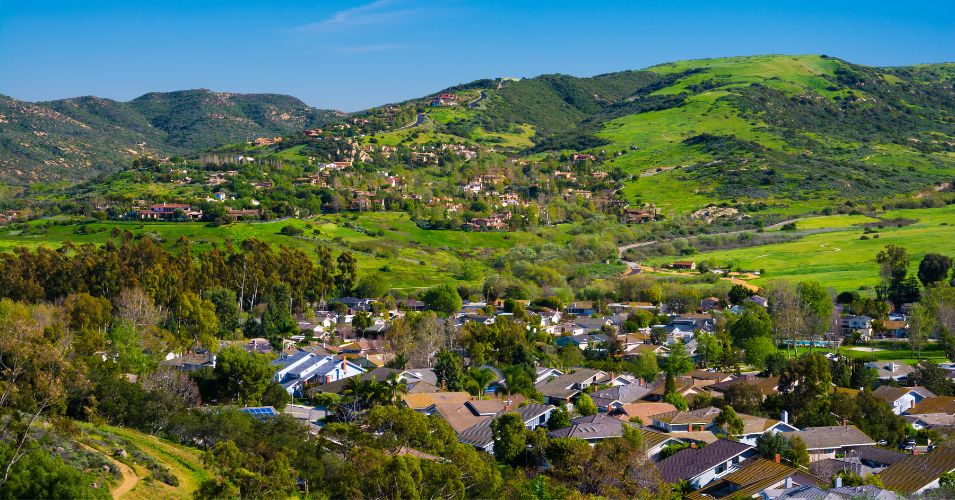
California has a way of making retirement look effortless. Between the beaches, mountain views, sunny weather, and charming small towns, it is easy to see why so many people plan to spend their later years here.
The catch is that some of the state’s most talked-about retirement destinations are popular for reasons that do not always match everyday life. A town can be beautiful to visit but difficult to afford or navigate once you live there full time.
Before packing up and heading west, it helps to look past the hype and consider which places may not be worth the premium they demand.
The Central Coast’s Most Overrated Retirement Towns
For many retirees, the Central Coast checks every box. Mild weather, ocean views, and slower-paced communities sound like the perfect recipe for retirement.
The problem is that this stretch of California has become so desirable that the lifestyle often comes with a price tag that surprises newcomers. What looks peaceful during a vacation can feel much less practical once everyday life begins.
Take Monterey, for example. It is hard to argue with the scenery. You can spend mornings watching boats in the harbor and afternoons walking along the coast. That sounds ideal until you start paying local prices.

Housing is expensive, restaurants cater heavily to tourists, and even simple errands can cost more than expected. During peak travel seasons, traffic builds up quickly around popular attractions, turning quick trips into longer outings. For retirees who value convenience, that constant flow of visitors can become tiring.
Just down the road, Carmel attracts people with its storybook cottages, art galleries, and beautiful beaches. It certainly has character, but daily life is not always as charming as the brochures suggest.
Many of the shops focus on luxury goods and visitors rather than everyday needs. A routine grocery run often means driving to another community, and owning a home is out of reach for many retirees.
If your retirement budget leaves room for travel, hobbies, or helping family, Carmel can quickly feel restrictive rather than relaxing.
There is no question that both towns are beautiful places to visit. Living there, however, is a different calculation. Retirees who picture quiet coastal living sometimes discover they are paying premium prices for communities designed just as much for vacationers as full-time residents.
Southern California Beach Communities That Disappoint Retirees
Retiring near the beach sounds like the reward after decades of work. Ocean air, sunny afternoons, and waterfront walks are easy to imagine.
What many people overlook is that some of Southern California’s most famous beach towns also rank among its busiest and most expensive places to live. That can change the retirement experience more than expected.
Newport Beach is a good example. The harbor, upscale neighborhoods, and beautiful coastline create an impressive first impression. The downside appears after moving in.
Housing costs are exceptionally high, and everyday services often come with luxury-level pricing. Restaurants, home repairs, and entertainment all take a bigger bite out of a retirement budget. Add in crowded roads during weekends and summer months, and the relaxed coastal lifestyle starts feeling harder to find.
Huntington Beach offers a different personality but many of the same challenges. Known as Surf City USA, it attracts visitors year-round. That keeps the area lively, but it also means busy beaches, packed parking lots, and regular traffic near the waterfront.

Retirees looking for peace and quiet may find themselves living in the middle of a year-round vacation destination instead. Housing prices remain high, while property taxes, insurance, and maintenance costs can make homeownership more expensive than many buyers originally planned.
Neither community lacks appeal. In fact, that popularity is exactly what drives many of the drawbacks. For retirees who want an easygoing lifestyle rather than a destination that always feels busy, these famous beach towns may not deliver the lifestyle they imagined.
Desert Cities That Aren’t as Relaxing as They Seem
Many retirees head for California’s desert expecting endless sunshine and an easygoing lifestyle. Winter certainly lives up to that promise.
The weather is comfortable, golf courses are busy, and outdoor patios fill with people enjoying the season. The surprise comes once summer arrives, when daily life looks very different from what the brochures suggest.
Palm Springs has built its reputation as one of California’s premier retirement destinations. There is always something happening, whether it is a street fair, live music, or another community event.

That lively atmosphere is part of the appeal, but it also means the city rarely feels quiet during peak season. Restaurants and popular attractions stay busy, while prices for everything from dining to home services tend to reflect Palm Springs’ popularity.
Then there is the heat. Summer temperatures regularly soar into the triple digits, making afternoon walks, gardening, and other outdoor hobbies uncomfortable for months at a time. Many retirees end up planning their days around the weather instead of simply enjoying it.
Palm Desert is often recommended as a calmer alternative, yet it comes with many of the same trade-offs. The neighborhoods are attractive, shopping is plentiful, and golf communities are easy to find.
Those benefits have helped push housing costs higher over the years. Utility bills can also become a noticeable expense during the hottest part of the year, when air conditioning runs almost nonstop. If your idea of retirement includes spending long afternoons outside, the desert climate may end up feeling more limiting than freeing.
For some people, these cities are exactly what they want. Others discover that they enjoy visiting the desert far more than living there. Before making the move, it is worth considering how you would spend an average July day rather than focusing only on a pleasant weekend in January.
Wine Country Destinations With Hidden Downsides
A glass of local wine on the patio. Rolling vineyards just outside town. Quiet roads lined with beautiful scenery. That image has convinced plenty of retirees that Wine Country is the perfect place to settle down.
It is a wonderful place to visit, but everyday life comes with challenges that are easy to overlook during a short getaway.
Napa is the name that draws most people in first. The restaurants are outstanding, the downtown is attractive, and there is no shortage of wineries to explore.
The downside is that you share the area with a constant stream of visitors. Busy roads, crowded tasting rooms, and limited parking become part of everyday life, especially during popular travel seasons.
Housing prices remain steep, leaving many retirees with less room in their budget for the travel and hobbies they hoped to enjoy after leaving the workforce.
Sonoma offers a slower pace, but it is not necessarily a better value. The town has a welcoming feel, with local shops and a historic plaza that encourage people to spend time outdoors.

Even so, rising home prices have made buying there increasingly difficult. Wildfire concerns also deserve serious consideration. Beyond the obvious risks, insurance costs have climbed in many parts of the region, creating another ongoing expense that can strain a retirement budget.
Wine Country delivers plenty of charm, but charm alone does not make a place ideal for retirement. Once housing costs, insurance, and tourist traffic enter the picture, many retirees realize the lifestyle is more demanding than they expected.
Sometimes the best way to enjoy Napa and Sonoma is exactly as they were intended, as destinations to visit rather than places to call home.
Bay Area Retirement Hotspots That Cost More Than They’re Worth
Retiring in the Bay Area makes sense on paper. The weather is pleasant, healthcare is excellent, and there is never a shortage of things to do. For anyone with children or grandchildren nearby, the appeal is even stronger.
The problem is that many retirees end up paying a premium simply to stay in the region, even when similar lifestyles are available elsewhere for much less.
Walnut Creek has earned a reputation as one of the Bay Area’s top retirement communities. Its lively downtown, local restaurants, and miles of walking trails make it easy to stay active. It also has excellent access to healthcare, which is an important advantage as people get older.

The downside is that Walnut Creek is no longer the quieter, more affordable community it once was. Home prices remain high, traffic has steadily increased, and even everyday errands can feel more hectic than expected.
Many retirees arrive expecting a slower pace and instead find themselves living in one of the East Bay’s busiest suburban hubs.
Pleasanton offers many of the same selling points. The streets are clean, the parks are well kept, and the historic downtown gives the city plenty of character. It is the kind of place that makes a great first impression.
What catches many retirees off guard is how much it costs to maintain that lifestyle. Housing is expensive, and routine expenses such as home maintenance, insurance, and dining out can take a larger share of a retirement budget than anticipated.
Unless staying close to family is a top priority, it is fair to question whether Pleasanton offers enough additional value to justify the higher costs.
For retirees who already know and love the Bay Area, these communities may still be worth considering. If you are moving to California for retirement, though, it pays to compare them with less expensive cities before making a final decision.
You may find that giving up a prestigious ZIP code does very little to reduce your quality of life.
Final Thoughts
California has no shortage of beautiful places to retire, but the most famous destinations are not always the smartest choices. Coastal towns, beach communities, desert cities, Wine Country, and the Bay Area all have plenty to offer, yet they also come with tradeoffs that are easy to overlook during a short visit.
The best retirement destination is rarely the one with the biggest reputation. It is the one that fits your budget, your daily routine, and the lifestyle you actually want to live. Looking beyond the usual recommendations can open the door to communities that offer the same sunny weather and California charm without stretching your finances quite as far.
A retirement move is one of the biggest decisions you will make. Taking the time to weigh the pros and cons of each location can help ensure that your next chapter is built around comfort and financial peace of mind instead of unexpected costs.