
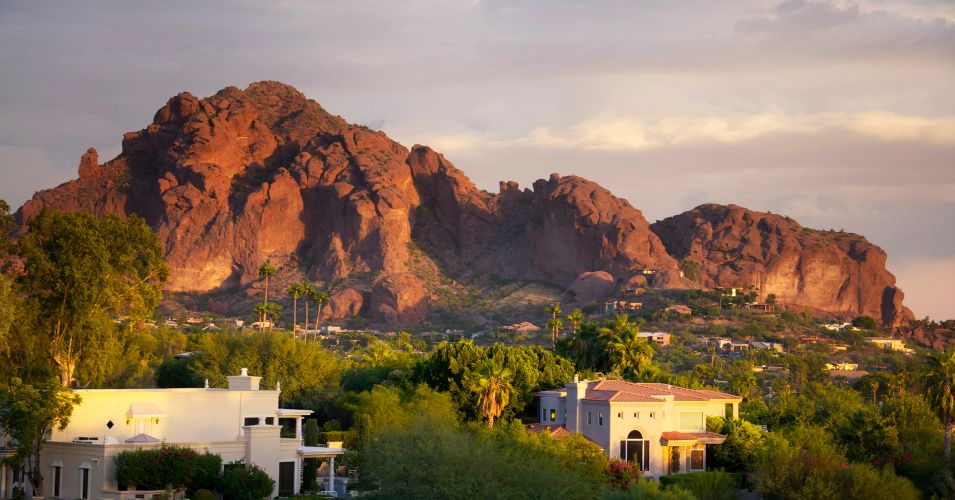
Every winter, thousands of seniors trade cold weather for Arizona’s blue skies and mild desert days.
From the outside, it is an enviable way to spend retirement. You miss the snow, spend more time outdoors, and settle into a community where many neighbors are doing the same.
But living in Arizona for several months each year isn’t always as carefree as it seems. Costs pile up, managing two homes gets tiring, and being far from doctors, family, and old friends can create problems nobody mentioned beforehand.
For some snowbirds, those concerns become harder to ignore with age.
The Real Price of an Arizona Winter
Arizona is easy to fall for in January. While friends back home are scraping ice from windshields, you might be having coffee outside in short sleeves. For many retired snowbirds, that alone feels worth the trip. The bills can change that feeling surprisingly quickly.
A winter in Arizona involves much more than paying for a place to stay. Seniors who own a second home still have expenses waiting at their main residence, while the Arizona property brings its own insurance, utilities, taxes, repairs, and possibly community fees.
Renters avoid some of those responsibilities, but several months of seasonal rent can consume a sizeable part of a retirement budget.
Everyday spending has a habit of creeping up too. There might be golf on Tuesday, lunch with neighbors on Thursday, and a drive somewhere interesting over the weekend. None of these expenses seems alarming on its own. Add them up over three or four months, however, and the total may look very different.
That matters when no regular paycheck is coming in anymore. Many seniors have carefully planned how much they can withdraw from savings each year. An expensive winter, especially one combined with an unexpected home or vehicle repair, can upset that plan.
The two-household problem makes surprises harder to control. Imagine discovering that the water heater has failed at home while you are sitting 1,500 miles away in Arizona. Someone needs access to the house, a repair has to be arranged, and the bill still needs paying.
Even leaving a house empty can carry costs. Insurance requirements may differ for a property that is unoccupied for an extended period, while heating, security, maintenance, and basic utilities often continue whether anyone is there or not.
This does not mean an Arizona winter is a poor use of retirement savings. Plenty of seniors decide the warmer weather and active lifestyle are worth every dollar. It does mean the true price is rarely the number first written on the seasonal rental agreement. For a realistic picture, seniors need to count the quiet expenses too.
Two Homes Can Mean Twice the Stress
The first few years of snowbirding can feel like an adventure. Pack the car, lock the front door, head south, and watch winter disappear in the rearview mirror.
After doing it year after year, though, the routine may lose some of its charm.
Leaving a home unattended for months takes preparation. There is mail to deal with, utilities to check, food to clear out, prescriptions to organize, and someone may need to keep an eye on the property.
In colder states, seniors also must think about snow removal, heating, frozen pipes, and what happens if a storm causes damage while nobody is there.
Then there is the packing. Living somewhere for several months is different from packing for a vacation. And clothes are only the beginning. You may have medication, insurance information, favorite kitchen items, laptops, chargers, medical equipment, important paperwork, and all the little things you rely on without thinking about them.
Arriving in Arizona brings another round of chores. The refrigerator needs filling, the property may need attention after sitting empty, and normal routines have to be put back together.
For someone in good health, much of this can be annoying rather than difficult. The situation changes when lifting boxes hurts, driving for hours becomes tiring, or walking through a busy airport takes more energy than it once did.
A spouse may also end up doing most of the work. If one partner develops mobility problems or simply has less stamina, the other person can quietly become responsible for the luggage, driving, household setup, and travel arrangements.
There is a mental burden as well. A security notification from the house back home can be hard to ignore when you are hundreds of miles away. So can news of a major snowstorm, a power outage, or a neighbor noticing something unusual. Cameras and smart home devices offer reassurance, but they cannot handle every problem.
Eventually, some seniors find themselves asking an uncomfortable question: Are we still enjoying this, or are we doing it because this is what we have always done? There is no universal answer.
But when maintaining two homes starts to feel like maintaining two separate lives, the freedom snowbirding once promised can begin to feel surprisingly heavy.
Healthcare Becomes Harder Away From Home
A winter stay in Arizona can easily last three or four months. That is a long time to be away from the doctors, dentist, pharmacy, and other services you normally use back home.
It may not seem like a big deal when everything is going well. Then you need a prescription refill, develop a toothache, or realize an appointment cannot wait until you return home. Suddenly, being a thousand miles away feels a little less convenient.
Finding help is usually not difficult in larger snowbird destinations. Phoenix, Scottsdale, Mesa, and Tucson all have plenty of healthcare facilities and pharmacies. The unfamiliar part is knowing where to go and dealing with a place you have never visited before.
Prescriptions can be another nuisance. Seniors who take regular medication may need refills during a long Arizona stay, so this is one of those jobs worth sorting out before packing the car. Nobody wants to spend a sunny afternoon calling around town because something was left until the last minute.
Arizona’s weather brings its own small adjustments. A mild winter morning can make it tempting to stay outside for hours, especially when the alternative back home is snow and freezing temperatures.
The desert air can feel surprisingly dry, especially for someone coming from a wetter climate. Keeping water nearby while golfing, walking, sightseeing, or sitting outside soon becomes routine.
The weather also changes quickly once winter is over. Around Phoenix and other lower desert areas, spring afternoons can become hot while friends farther north are still wearing jackets.
None of this has to interfere with an enjoyable winter. It just helps to do a little homework before leaving home. Find a nearby pharmacy, know where you would go if you needed basic care, bring the information you regularly rely on, and take care of anything you can reasonably handle before the trip.
Those few preparations can save a surprising amount of hassle once you are settled in Arizona.
Loneliness Can Follow You to the Sunshine
Arizona snowbird communities are not exactly known for being quiet during winter. In places around Mesa, Apache Junction, Sun City, and the Phoenix area, there can be something happening almost every day.
Pickleball in the morning, cards after lunch, a potluck later in the week, golf outings, craft groups, dances, and neighborhood gatherings can fill a calendar quickly.
For a newcomer, all that activity can make loneliness harder to admit. Everyone else seems to have somewhere to go.
Some snowbirds return to the same Arizona community every year and pick up friendships almost exactly where they left them. They already know who sits where at coffee, who organizes the golf group, and whose patio becomes the evening gathering place.
Arriving without those connections is different. Walking into an established group alone can be uncomfortable at any age. It can be particularly difficult after losing a spouse.
A couple may have spent ten winters returning to the same Arizona RV resort or condo community. Coming back alone the following season means facing familiar neighbors and familiar places without the person who made them feel like home.
Distance from family can become more noticeable too. At first, being away for a few months may not seem significant. Then a grandchild has a school concert, somebody celebrates a birthday, or friends back home get together without you.
Phone calls and video chats make staying in contact easier, but they do not remove the sense of missing ordinary family life.
Couples can feel lonely in their own ways. One person may make friends easily while the other never feels quite settled in Arizona. If one partner spends mornings golfing and afternoons socializing, the other can end up spending far more time alone than either had expected.
The many activities available in Arizona retirement communities certainly help, but signing up for more isn’t always the solution. What matters is finding a few people you genuinely look forward to seeing. For many snowbirds, that takes more time than the brochures suggest.
When the Snowbird Lifestyle Starts to Wear You Down
For years, heading to Arizona might be the date circled on the calendar. The car gets packed, neighbors back home say goodbye, and another winter in the desert begins. Then one year, getting there feels like a lot more work.
This can happen gradually. A two- or three-day drive that once felt like part of the adventure starts to feel exhausting. Loading suitcases and boxes takes longer. Sitting behind the wheel for hours leaves knees, hips, or backs aching the next morning.
Flying is not necessarily easier – bags to handle, long airport walks, crowded terminals, rental cars, and the possibility of delays. By the time a senior reaches a winter home in Mesa, Scottsdale, Tucson, or another Arizona snowbird destination, the first few days may be spent recovering from the journey.
The routine at the other end can change too. Golfing several times a week may no longer appeal to sore joints. Hiking desert trails might require more caution. Even walking around a large retirement community can become difficult when our mobility starts to decline.
Timing matters in Arizona as well. Snowbirds who stay into late spring can run into much hotter days, especially around Phoenix and other lower desert communities. Someone who once happily stayed through May might eventually decide that leaving earlier makes more sense.
For couples, these changes do not always happen at the same pace. One partner may still be eager to travel while the other finds the entire process tiring. If one person stops driving or needs help getting around, more of the practical work lands on the other.
That is often when an old routine deserves a fresh look. Maybe the answer is a shorter stay. Perhaps flying becomes preferable to driving, or renting makes more sense than maintaining a second property. Some seniors may decide to skip a season and see how they feel.
The important part is recognizing that a tradition does not have to remain unchanged simply because it has worked for years. Arizona should still be something to look forward to, not another responsibility to get through.
Final Thoughts
There is a reason so many seniors spend their winters in Arizona. On a mild February morning, with blue skies overhead and no snow shovel in sight, the appeal is not difficult to understand.
But snowbird life looks different from the inside than it does from a poolside photograph. Bills are due back home, prescriptions need organizing, properties need watching, friendships need rebuilding, and long trips occur twice a year. As the years pass, some of those small inconveniences can become bigger considerations.
That does not take away from what Arizona offers. It simply means the decision deserves another look from time to time. A snowbird arrangement that worked perfectly at 65 may need adjusting at 75 or 80.
Maybe that means spending fewer months in Arizona, changing how you travel, or asking for more help. The goal was always to enjoy retirement, and the routine should keep serving that goal.