

For many retirees, Arizona appears to be a dream destination with its warm winters, open landscapes, and relaxed pace of life. But not every corner of the state offers the kind of comfort, convenience, and peace that many retirees are hoping for.
Some places come with hidden challenges that only become clear after settling in.
Choosing the right town matters more than ever when your goal is a stable and enjoyable retirement. This guide looks beyond the surface and highlights areas where retirees may face unexpected difficulties, helping you make a more informed decision before you commit.
Dust Heavy Areas Bring More Daily Disruption
Retirement sounds more peaceful when you picture sunny skies and dry air, but some parts of Arizona come with a rougher side of desert living that does not show up in travel brochures. In certain places, blowing dust can become a regular part of life, and that changes how comfortable daily retirement really feels.
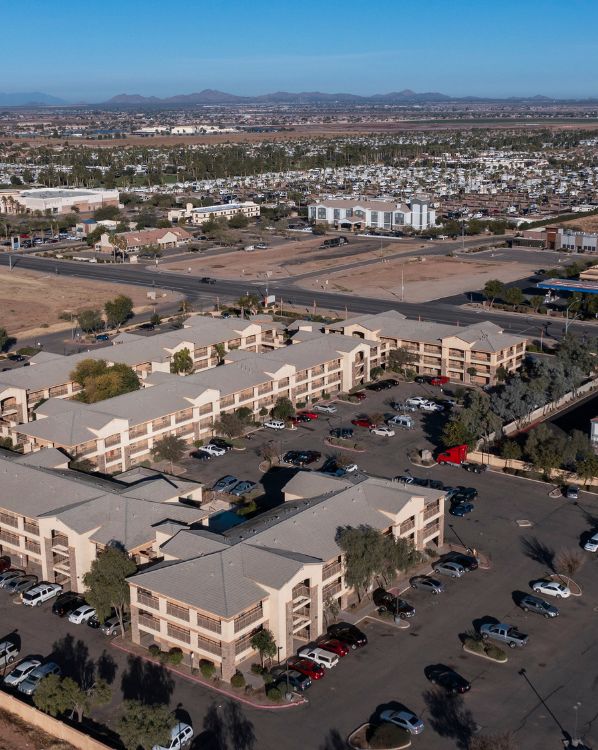
In Casa Grande, dust is not just an occasional annoyance that passes by and disappears. Because of the open desert land, active construction, nearby highways, and stretches of dry exposed soil, windy days can quickly turn the air hazy and unpleasant.
That kind of weather wears on you over time in ways many retirees do not expect. Dust settles on patios, windows, cars, and outdoor furniture fast, which means more cleaning and less enjoyment of the outdoor space you may have hoped to use every day.
Even a simple morning outside can feel less inviting when the wind starts pushing grit through the neighborhood. Instead of sitting comfortably with coffee or taking a walk, many people end up staying inside more often than planned.
Eloy brings a similar kind of frustration, especially for retirees hoping for quiet and low-maintenance living. The town sits in a dry, exposed area where loose soil and open stretches of land can make windy days feel much harsher than they sound on paper.
It is not just about appearance either. Dust in the air can make breathing feel less comfortable, especially for retirees who deal with allergies, asthma, or general sensitivity to dry conditions.
That means some people find themselves relying more on air filters, keeping windows shut, and paying closer attention to weather alerts than they expected. Over time, that can make retirement feel more restricted and less carefree.
A place does not have to be dangerous to become tiring. Sometimes it is the steady buildup of small discomforts that slowly changes how enjoyable everyday life feels.
For retirees who want fresh air, clean patios, and easy outdoor living, dust heavy parts of Arizona can end up feeling far less relaxing than they first appear.
Summer Heat Limits Outdoor Living
Arizona sunshine is one of the biggest reasons retirees look toward the state, but in some areas, the summer heat can quietly change what daily life feels like. While winters are mild and pleasant, the long stretch of intense summer temperatures can make outdoor living far less comfortable than many people expect.
In Yuma, summer heat is not just occasional. Temperatures regularly push well past 100 degrees, and the intensity can last for months at a time. Even early mornings can feel warm, and by midday, stepping outside is something people often try to avoid.
For retirees who imagined spending time on the patio, taking walks, or enjoying local parks, those plans may shift indoors for much of the summer.
Over time, that can change the rhythm of daily life. Simple routines like running errands, meeting friends, or enjoying an evening outside often require more planning around the heat. Instead of feeling spontaneous and relaxed, summer days can start to feel more restricted.
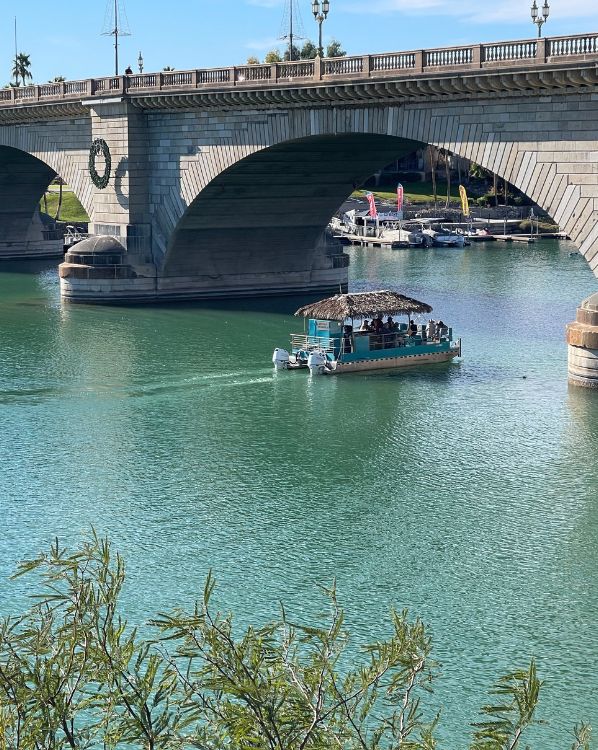
Lake Havasu City offers a similar experience, especially with its wide-open landscape and limited natural shade in many areas. While the lake itself offers some relief, the surrounding neighborhoods face intense heat that builds quickly during the day and lingers into the evening.
That kind of environment can make outdoor spaces feel less usable for long stretches of the year. Patios, walking paths, and community areas may sit empty during peak summer months, which can quietly reduce the sense of activity retirees often hope for.
This does not mean these towns lack appeal. Many people still enjoy the sunshine and scenic surroundings. But retirement feels more comfortable when outdoor living stays accessible year-round.
In places where summer heat dominates the calendar, that everyday flexibility can become harder to maintain than expected.
Water Scarcity Creates Long-Term Uncertainty
A place can look beautiful today and still raise real questions about how comfortable it will feel ten or fifteen years from now. For retirees planning a long chapter of life in Arizona, water is one of the issues that deserves more thought than they often give.
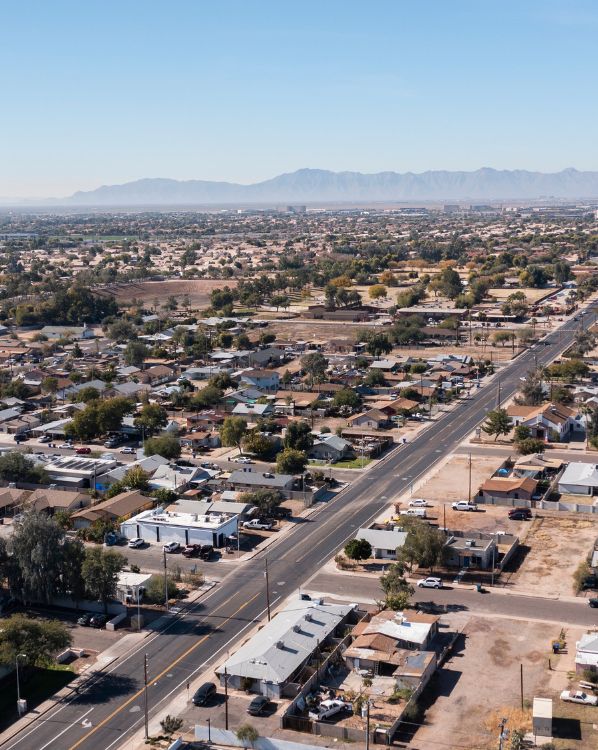
Buckeye growth has moved fast enough that many retirees see opportunity there before they notice the bigger concern sitting underneath it. New homes, expanding neighborhoods, and continued development may sound exciting at first, but they also draw more attention to long-term water supply and the sustainability of that pace.
That kind of uncertainty matters more in retirement than it might earlier in life. When you are living on savings, fixed income, or a carefully planned budget, the last thing you want is to wonder whether future utility costs, restrictions, or local planning decisions could slowly change the quality of daily life.
It is not only about whether water still comes out of the tap. It is also about what life feels like when landscaping becomes harder to maintain, outdoor comfort starts to shrink, and long-term confidence in a place becomes harder to hold onto.
Queen Creek brings a similar tension, especially because it remains attractive to retirees who want newer neighborhoods and a cleaner suburban feel. On the surface, it can look like a polished and comfortable place to settle down, but the broader question of water demand in a fast-growing desert community does not simply disappear because the homes look appealing.
That can leave retirees with a low-grade sense of uncertainty. Even if daily life feels fine now, some people begin to wonder what the area will look like years down the road if growth keeps outpacing resources.
Retirement is better when your future feels settled and predictable. A place that leaves too many open questions about something as basic as water can slowly chip away at that sense of security.
Arizona living may still appeal to many retirees, but in places where growth and water pressure keep colliding, long-term comfort can start to feel less certain than it first appears.
Aging Infrastructure Adds Friction to Everyday Life
A retirement town does not have to feel dramatic or unsafe to become frustrating over time. Sometimes the real issue is simpler than that, because the roads, systems, and public spaces around you just do not feel smooth enough to support easy daily living.
In Sierra Vista, many retirees are drawn to the slower pace, mountain views, and lower stress atmosphere compared with larger Arizona communities. But once you spend more time there, some of the wear in the infrastructure can start to show up in small but irritating ways that make daily errands feel less effortless.
That may mean rougher road conditions in certain areas, older commercial spaces, or parts of town that feel like they have not kept up with the needs of a growing senior population. None of those issues sound major on their own, but retirement comfort depends on how easy it feels to get through ordinary routines without added hassle.
If a drive to the store feels bumpier than it should, or if public areas look more tired than expected, the place can begin to feel less polished and less convenient than you hoped. That matters more when daily ease becomes one of your top priorities.
Kingman brings a similar kind of friction, especially for retirees who envision a simple, practical lifestyle. It offers affordability and a quieter rhythm, but some parts of the town can feel worn in ways that slowly affect comfort, especially when you are counting on dependable roads, reliable upkeep, and a more settled environment.
This kind of issue often does not show up in a quick visit. It becomes noticeable after months of repeated drives, regular appointments, grocery trips, and the everyday patterns that shape retirement life.
People often think retirement satisfaction comes down to weather or housing prices, but infrastructure plays a bigger role than many expect. When the basics around you feel dated or uneven, life can start to feel more tiring than it should.
For retirees who want smooth, low-stress living, towns with more visible infrastructure wear may end up feeling less comfortable over time than they first seem.
Desert Wildlife Brings Unwanted Surprises
Retirement in Arizona evokes images of quiet desert views and peaceful evenings, but the natural environment also has a side that can feel less relaxing once you live there full-time. Wildlife is part of everyday life in many areas, and for some retirees, that reality becomes more noticeable than expected.
In Green Valley, the calm surroundings and scenic backdrop attract many retirees who want a slower pace and a strong sense of community. But the nearby desert landscape also means encounters with creatures like javelinas, coyotes, and snakes can happen more often than people assume.
Those encounters are not always dangerous, but they can still feel unsettling when they happen close to home. It is one thing to see wildlife on a hike, but it feels different when animals wander near your yard, walk along quiet streets, or appear in the early morning or evening.
That kind of unpredictability can slowly change how comfortable you feel stepping outside, especially at night or in quieter parts of town. Some retirees begin to adjust their routines without even realizing it, choosing to stay indoors more often or avoiding certain areas after dark.
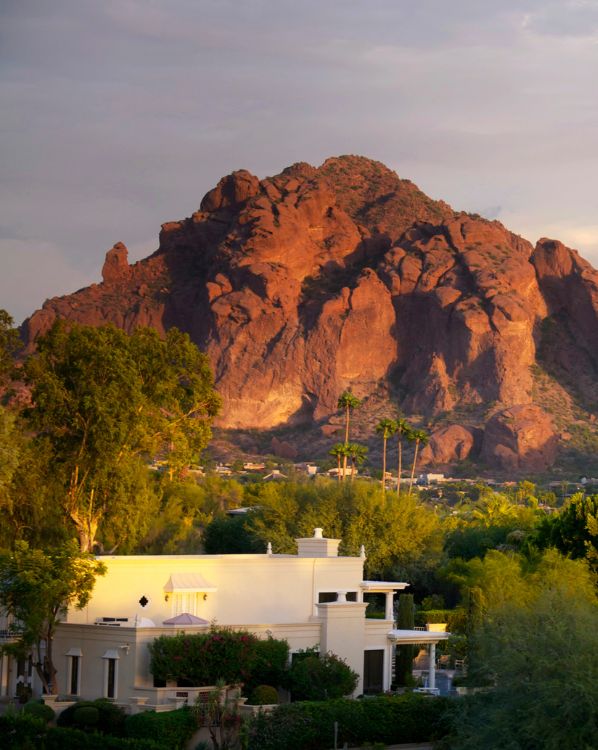
Oro Valley offers a more polished and well-kept environment, which is part of why many retirees consider it an appealing option at first. Even so, the natural desert setting continues to play a strong role in daily life, and wildlife sightings remain part of the experience.
Residents there also report regular sightings of coyotes, bobcats, and other small desert animals moving through neighborhoods. While many people learn to live alongside them, it requires a level of awareness that not everyone expects when planning a relaxed retirement.
Simple habits begin to change over time. Keeping pets closer, checking outdoor spaces more carefully, and staying alert during walks can all become part of the routine. For retirees who picture a carefree outdoor lifestyle, these adjustments can feel like a quiet but constant shift. It is not about fear as much as it is about comfort slowly becoming more limited.
Arizona offers unique natural beauty, but in areas where wildlife coexists with residential life, that beauty sometimes comes with a degree of unpredictability that not every retiree finds easy to embrace.
Final Thoughts
Retirement decisions come down to more than sunshine and scenery, and Arizona is a perfect example of how first impressions can miss important details.
While the state offers warmth and wide-open views, some areas come with everyday challenges that slowly shape how comfortable life feels.
From dust-filled air to long-term water concerns, each factor adds another layer to consider before settling in. When you look beyond the surface and think about daily routines, it becomes easier to choose a place that truly fits the kind of retirement you want.