
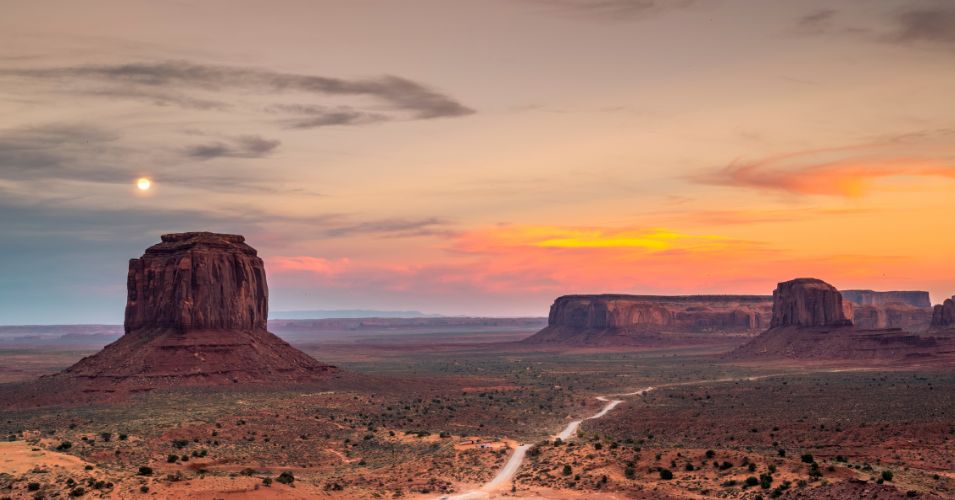
Arizona is packed with unforgettable places to visit, from towering red rock formations to historic towns and world-famous natural wonders. While those attractions appeal to travelers of all ages, not every destination offers the same level of comfort for seniors.
Some involve steep climbs, intense desert heat, long drives, or crowded conditions that can make a day of sightseeing more tiring than expected.
That does not mean these places should be avoided completely. Instead, it helps to know what challenges they present before you go. With the right expectations, seniors can plan a trip that is both enjoyable and far less stressful.
Desert Heat Can Turn a Vacation Into a Challenge
Many people picture Arizona as endless sunshine and blue skies. That image is accurate, but it leaves out one important detail: The desert heat can be far more intense than visitors expect, especially for seniors. A pleasant morning can quickly turn into a scorching afternoon, making even simple sightseeing feel like hard work.
Phoenix is one place where the weather can catch travelers off guard. The city has plenty to see, from botanical gardens to outdoor markets to public art, yet getting from one attraction to another often means spending time in direct sunlight.
Parking areas, sidewalks, and open spaces absorb heat throughout the day, making every walk feel longer than it really is. Older adults who are sensitive to high temperatures may find themselves searching for air conditioning after only a short time outside.
Lake Havasu City presents a different challenge. The water gives the area a relaxing atmosphere, but the surrounding desert climate is still very much part of the experience. Visitors often spend hours near the shoreline, watching boats or crossing the famous London Bridge.

With little natural shade in many areas, the afternoon sun can become exhausting before people even realize how much time has passed. The dry air also makes it easy to become dehydrated without feeling especially sweaty.
That does not mean seniors should avoid these destinations altogether. A little planning can make a noticeable difference. Starting the day early, taking breaks inside restaurants or visitor centers, and carrying plenty of water all help reduce the effects of the heat.
Many experienced travelers also choose to visit Arizona between October and April, when temperatures are far more comfortable for walking and exploring. Arizona’s desert scenery is unforgettable, but enjoying it is much easier when the weather is working with you instead of against you.
Rugged Trails Often Demand More Than Expected
Some of Arizona’s most famous landmarks reward visitors with incredible views, but reaching them is not always easy. Photos on travel websites can make a trail look like a casual walk, yet the reality is often very different. Loose rocks, steep slopes, and uneven ground can quickly turn a short hike into a demanding climb.
Camelback Mountain is one of the best examples. It attracts thousands of hikers every year because of its panoramic views over Phoenix. What many first-time visitors do not realize is how physically challenging the trail can be.
Several sections require careful footing over rocky terrain, and the climb becomes even tougher once the sun starts heating the mountainside. Even people who exercise regularly sometimes underestimate the effort needed to reach the top.
Cathedral Rock in Sedona creates similar surprises. The striking red sandstone formations look inviting from a distance, but the route involves steep rock surfaces that require balance and confidence.

Some stretches feel more like scrambling than walking, which can be uncomfortable for seniors dealing with knee pain or reduced mobility. The spectacular scenery is worth seeing, but many visitors enjoy it just as much from the viewing areas below without tackling the climb.
Fortunately, missing these hikes does not mean missing Arizona’s beauty. Scenic drives, paved nature trails, and accessible overlooks can deliver the same dramatic landscapes with far less physical effort.
Many parks have excellent viewpoints that require only a short walk from the parking area, allowing seniors to enjoy the state’s famous red rocks and mountain scenery without putting unnecessary strain on their bodies.
Choosing the right trail is not about avoiding adventure. It is about ensuring the experience remains enjoyable from beginning to end rather than becoming a test of endurance.
Remote Attractions Can Create Unexpected Difficulties
One of the best things about Arizona is how quickly the crowds disappear. Drive a couple of hours outside the major cities, and the highways become quieter, the landscapes become wider, and the nearest town may be many miles away.
That peaceful setting appeals to many travelers, but it is not always ideal for seniors who prefer to have everyday services close by.
Monument Valley is a perfect example. The towering sandstone formations are breathtaking, and many people consider the area a bucket list destination. Getting there is another story.
Visitors spend hours on the road before reaching the valley, and there are long stretches with few gas stations and restaurants. Once inside the park, guided vehicle tours often travel across rough dirt tracks.
The scenery is unforgettable, but the constant bouncing can become uncomfortable for anyone dealing with back problems or stiff joints.
Chiricahua National Monument offers a completely different landscape, yet many of the same concerns apply. Hidden away in southeastern Arizona, the monument feels wonderfully secluded. That also means help is not always nearby if something goes wrong.

The drive includes long sections of open highway, cell service can be unreliable, and nearby accommodation choices are limited compared with Arizona’s more popular tourist areas. Travelers who enjoy having plenty of facilities within easy reach may find the isolation less relaxing than expected.
None of these factors should stop seniors from seeing these remarkable places. They simply make preparation more important. Filling the car with fuel before leaving, packing extra drinking water, and allowing more travel time can remove much of the stress. Some visitors also prefer joining a guided day trip, which eliminates the need to navigate unfamiliar roads and lets someone else handle the driving.
Arizona’s remote landscapes are part of what makes the state so memorable. Knowing what to expect before setting out helps ensure the journey is remembered for the scenery instead of the challenges.
Historic Sites Are Not Always Easy to Explore
History lovers will find plenty to enjoy across Arizona. Old mining towns, Native American landmarks, and centuries-old structures give visitors a fascinating glimpse into the state’s past.
What many people do not realize is that these places were never designed with modern accessibility in mind. Exploring them often involves hills, uneven paths, and more walking than first expected.
Jerome is one town that regularly catches visitors by surprise. Built into the side of a mountain during Arizona’s mining boom, it is full of character and incredible views. It is also full of steep streets.
Walking from one attraction to another can involve climbing long hills, while many shops and galleries sit above or below street level. Even finding a parking space close to where you want to go is not always easy.
Seniors who enjoy taking their time may find the constant uphill and downhill walking more tiring than anticipated.
Montezuma Castle National Monument presents a different experience. The famous cliff dwelling is easy enough to admire from the viewing trail, but the attraction is more about appreciating history than exploring it firsthand.

Visitors cannot enter the ancient structure, and much of the visit takes place outdoors. During warmer months, standing in the sun while walking between viewing points can quickly become uncomfortable, particularly in the middle of the day.
The good news is that neither destination needs to be crossed off a travel itinerary. Visiting during cooler weather, taking regular breaks, and accepting a slower pace can make both places far more enjoyable. Many seniors discover that spending extra time soaking in the atmosphere is more rewarding than trying to see everything in a hurry.
Arizona’s historic attractions have survived for generations. They are worth experiencing, but they are also a reminder that older places often come with physical challenges that modern attractions simply do not have.
Crowds Can Take Away the Fun
Arizona’s biggest attractions draw visitors from around the world, and that popularity can create a different kind of challenge for seniors.
Long lines, packed parking lots, and busy walkways may not sound like major issues at first, but they can make an otherwise enjoyable day surprisingly tiring. Spending hours on your feet while waiting for a shuttle or trying to move through large crowds is not everyone’s idea of a relaxing vacation.
One place where this is especially noticeable is Antelope Canyon. The narrow sandstone passageways are stunning, which explains why tours sell out so quickly.

The experience follows a fixed schedule, so visitors often must keep moving with their group instead of stopping whenever they like. During busy seasons, the entrance area can become crowded, and tour groups frequently follow one another through the canyon.
Seniors who prefer a slower pace may find that the constant flow of people detracts from the peaceful atmosphere they expected.
Horseshoe Bend brings a similar experience. The overlook itself is spectacular, but it has become one of Arizona’s busiest photo spots. Visitors often share the viewpoint with hundreds of others, particularly during sunrise and sunset.
Finding a quiet place to enjoy the scenery can be difficult, and the walk from the parking area feels even longer when large crowds slow everyone down.
Neither attraction should be skipped simply because it is popular. Visiting outside school holidays or arriving early in the morning often makes a noticeable difference. Cooler temperatures, easier parking, and fewer people create a far more comfortable experience for older travelers.
Sometimes the destination itself is not the biggest challenge. It is everything that comes with sharing it with thousands of other visitors at the same time.
Final Thoughts
Arizona offers unforgettable scenery, but it is not a destination where every attraction suits every traveler. Some places demand long walks, others expose visitors to intense heat, while a few are simply too remote or crowded to provide the relaxed experience many seniors are looking for.
The key is knowing what to expect before setting out. A destination that feels exhausting to one person may still be enjoyable to someone who visits during cooler weather or plans a slower pace. Small decisions, such as traveling in the morning, booking accommodations well in advance, or choosing easier viewpoints over strenuous hikes, often have a bigger impact than people realize.
A well-planned trip allows seniors to appreciate Arizona’s beauty without feeling rushed or overwhelmed. With realistic expectations and thoughtful preparation, they can focus on the incredible landscapes, fascinating history, and memorable experiences that make the Grand Canyon State such a rewarding place to visit.