

Michigan can look like a smart retirement choice at first. It offers lake views, familiar small towns, and housing prices that may seem more approachable than in many other parts of the country.
But retirement is not just about what a place looks like on paper. It is also about how a town feels once you live there every day, run errands, visit doctors, drive local roads, and try to enjoy a slower season of life. Some Michigan communities simply make that harder than it should be.
In certain places, urban decline, weak upkeep, shrinking property appeal, and everyday stress can quietly take the comfort out of retirement.
Urban Neglect That Drains Daily Comfort
In some Michigan towns, the signs of urban neglect are not hidden, and they begin to shape everyday life in ways that retirees may not expect. Streets can feel worn, public spaces may lack care, and simple outings can become less enjoyable over time.
Alpena has a quiet charm at first glance, but parts of the town show clear signs of aging infrastructure that have not kept up with changing needs. Older buildings, uneven sidewalks, and limited investment in public areas can make daily routines feel less comfortable than expected.
Over time, these small details add up in ways that are hard to ignore. Running errands or taking a casual walk may require more effort, especially when the surroundings feel neglected instead of welcoming.
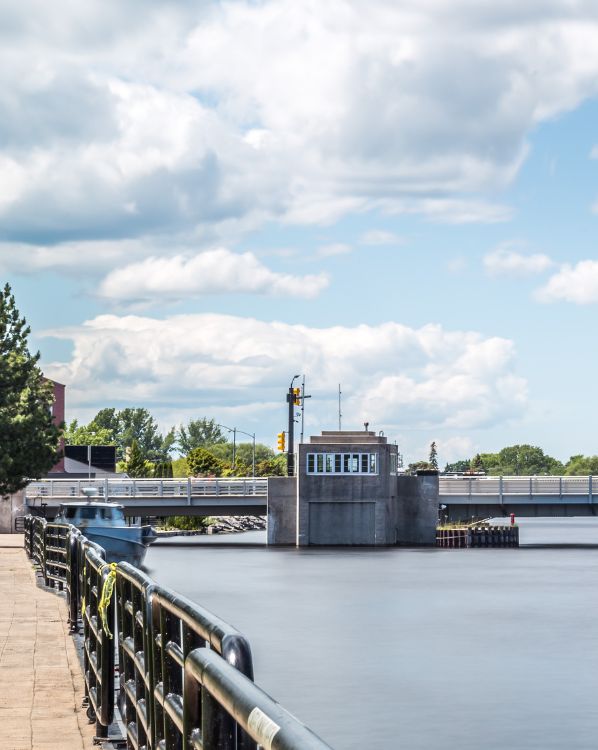
In Escanaba, the pace of life is slow, which can be appealing at first, but certain areas reflect a lack of ongoing upkeep that becomes more noticeable the longer you stay. Streets and commercial areas can feel dated, and improvements may come slowly, leaving parts of town feeling stuck in place.
For retirees, this can change how a town feels day to day. What once seemed peaceful can begin to feel limiting, especially when public spaces do not offer the comfort or ease you expected.
A well-maintained environment makes a difference, particularly when you are spending more time close to home. When that maintenance is missing, even simple routines can feel heavier than they should.
Over time, the environment around you starts to influence how you experience retirement. That influence is often subtle at first, but it becomes harder to overlook with each passing year.
Low Home Values Signal Deeper Trouble
Low home prices can seem like a major advantage when planning for retirement, but they can also point to underlying issues that are not always obvious at first. A lower price often reflects reduced demand, and that can come with trade-offs that affect daily life.
Sault Ste. Marie housing may appear affordable, but the lower property values often reflect limited economic growth and fewer opportunities for community improvement. This can lead to slower infrastructure updates and fewer new developments that bring energy to the area.
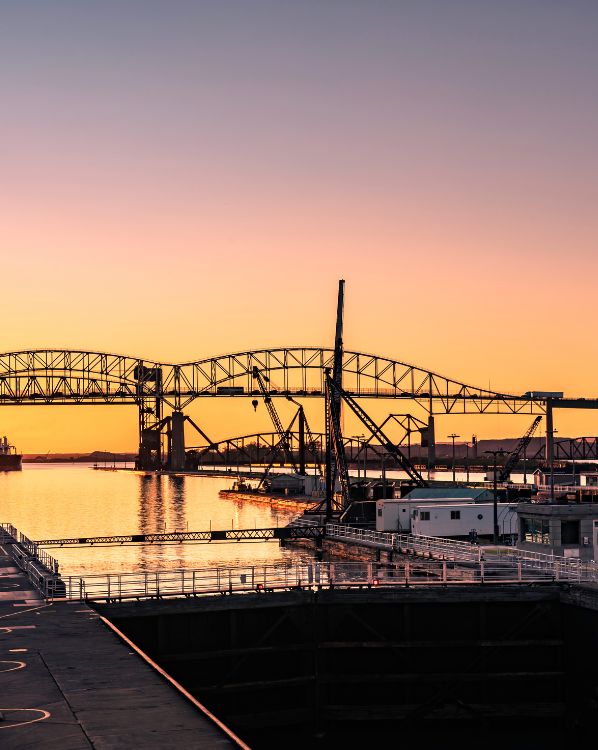
At first, the lower cost of entry feels like a win. Over time, though, it can signal a lack of momentum that impacts everything from local services to property upkeep.
In Ironwood, the appeal of inexpensive homes is strong, but it often comes with a quieter economy and fewer resources dedicated to maintaining and upgrading the town. Homes may stay on the market longer, and neighborhoods may show signs of gradual decline rather than steady renewal.
That pattern can influence how comfortable and secure a place feels in the long run. A home is not just a purchase; it is part of a larger environment that either grows or slowly fades.
For retirees, stability matters more than ever, including the condition of the surrounding community. When home values stay low for extended periods, it can reflect deeper challenges that shape everyday life.
Looking beyond the price tag is essential because what seems affordable at first can carry hidden costs that become more noticeable with time.
Busy Economies That Overlook Retirees
A place can look economically active and still feel surprisingly inconvenient for retirement. More businesses, more traffic, and more movement do not always translate into a lifestyle that feels calm, accessible, or built for older adults.
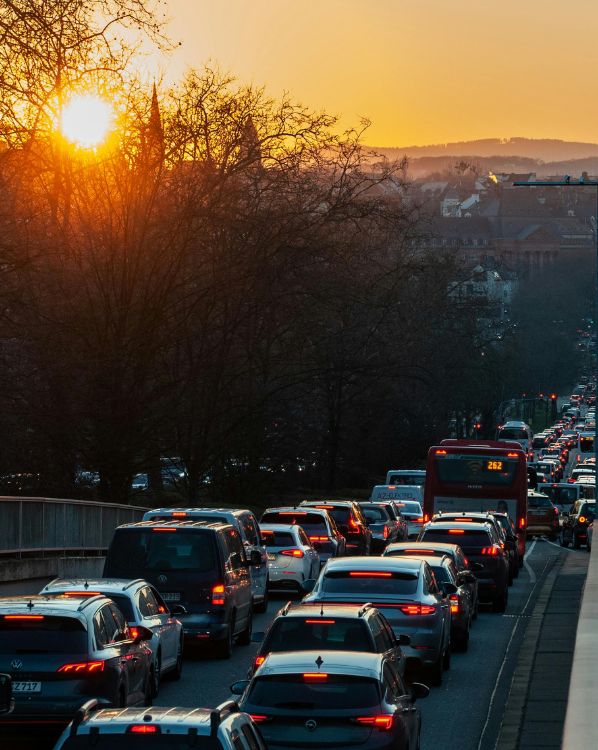
In Novi, there is no shortage of shopping, development, and commercial activity, but that constant motion can make daily life feel more tiring than relaxing. Busy intersections, packed parking lots, and a fast suburban pace can turn simple errands into something that feels draining instead of easy.
That kind of environment may work well for younger households or commuters, but it does not always fit what many retirees are hoping to find. A town can be financially healthy and still feel designed around speed rather than comfort.
Auburn Hills’ economic energy is evident, especially in its retail zones, office areas, and ongoing commercial activity. But for retirees, that same activity can create a setting where the town feels more functional than livable, especially if much of daily life revolves around traffic corridors and business districts.
The issue is not that there is too much happening. It is that much of what is happening may not actually make retirement easier or more enjoyable.
A busy local economy sounds like a positive on paper, but retirees benefit more from ease, walkability, familiarity, and stress-free access to essentials. If a town offers plenty of movement but very little comfort, the lifestyle can feel off balance.
Retirement works best in places that support a slower, steadier routine. When a town is built more for commerce than for daily ease, that mismatch becomes harder to ignore over time.
Worn Commercial Areas Hurt Convenience
Retirement often becomes more local than people expect. You spend more time near home, visit the same stores regularly, and rely on nearby services more often than before. That means the condition of local commercial areas matters more than many people realize.
Adrian has some shopping corridors, and everyday retail areas can feel dated, underused, or less inviting than retirees may want for day-to-day life. A town does not need to be glamorous, but when the places you depend on start to feel worn, convenience begins to lose its appeal.
That matters more over time than it does during a short visit. What feels manageable once can become frustrating when it becomes part of your weekly routine.
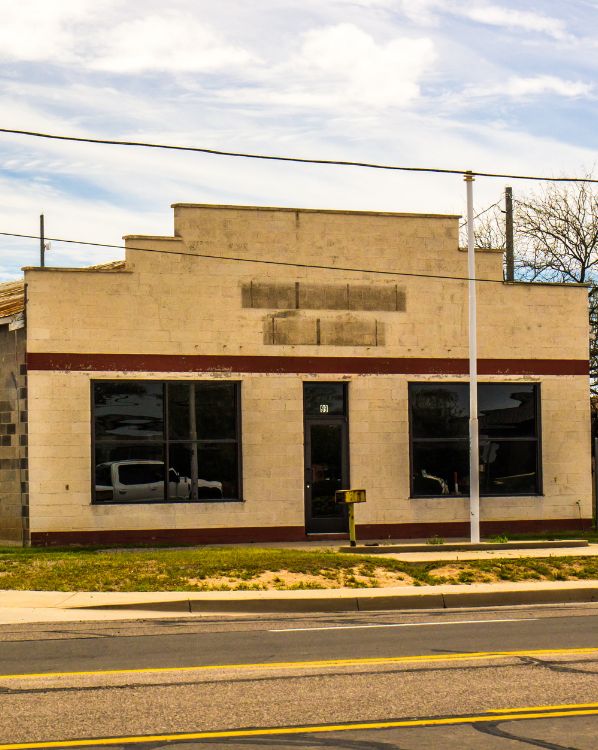
In Monroe, there are practical services available, but parts of the commercial landscape can feel tired, with older storefronts, inconsistent upkeep, and stretches that seem more functional than comfortable. That kind of setting can slowly erode the sense of ease many retirees hope to create.
Convenience is not just about whether a store exists. It is also about whether the overall experience feels simple, pleasant, and easy to return to.
When nearby shopping and service areas feel neglected, everyday tasks can lose the sense of comfort that retirement should bring. A town may still meet basic needs, but it may not support the kind of lifestyle that feels relaxed and enjoyable.
That is often the difference between a place that works on paper and one that feels good to live in every day.
City Strain Adds Constant Daily Stress
Some places do not have one major problem that makes retirement difficult. Instead, they wear you down through a steady buildup of smaller frustrations that never seem to fully go away.
That kind of strain can quietly shape daily life more than retirees expect. It is not always dramatic, but it can make a place feel heavier, less restful, and harder to enjoy over time.
Port Huron may have the appeal of waterfront living that draws retirees, but parts of daily life may feel more strained than peaceful once the novelty fades. Busy roads, aging infrastructure, inconsistent upkeep, and a mix of industrial and commercial pressure can create a setting that feels less relaxing than expected.
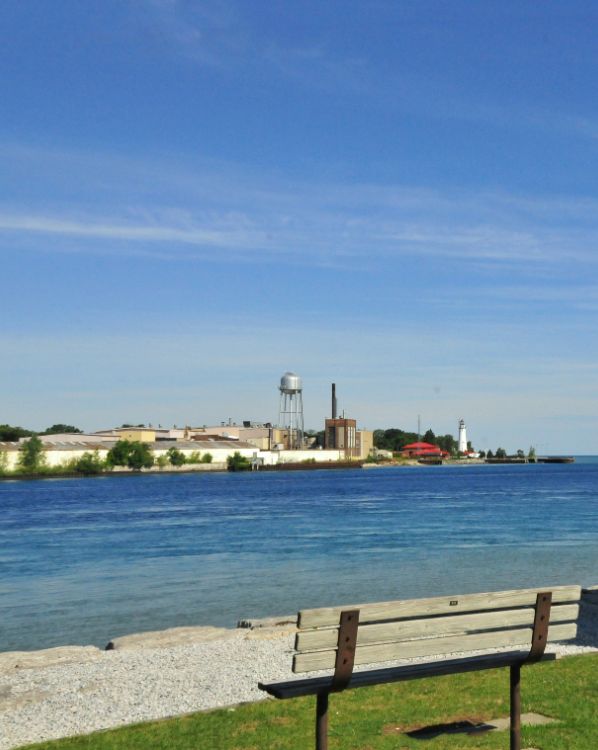
What starts as a practical town with scenic value can feel rough around the edges when you navigate it every day. That matters more in retirement, when comfort and consistency become part of your quality of life.
At Battle Creek, the challenges can show up differently, with a combination of worn public spaces, uneven neighborhood appeal, and a broader sense that the town is carrying more pressure than momentum. Even when basic services are available, the overall atmosphere may feel tired rather than reassuring.
That can affect how often you want to go out, how pleasant daily errands feel, and how much ease you get from living there. Retirement works best when your surroundings support peace instead of chipping away at it.
A town does not need to be perfect to be livable. But when multiple stress points keep showing up at once, even ordinary routines can begin to feel more exhausting than they should.
For retirees, that constant background strain can become one of the biggest reasons a place stops feeling like the right fit.
Final Thoughts
Michigan has many towns that can offer a comfortable retirement, but not every community delivers the ease and stability retirees seek. A place may seem affordable or practical, but it can create long-term stress in ways that are easy to miss early on.
That is why it helps to look beyond scenery and home prices. The condition of the town, the feel of daily errands, the quality of upkeep, and the overall comfort of everyday life all matter just as much.
The best retirement choice is not always the cheapest or the most familiar. It is the place that still feels manageable, welcoming, and easy to live in long after the move is complete.